Buy Stromectol Without Prescription in the United States Online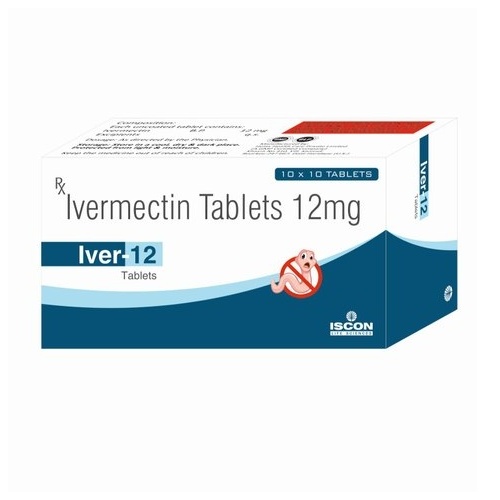
« Buy Ivermectin OnlineBuy Seroquel in Online Pharmacy in United States »
- Home/
- Buy Stromectol Without Prescription in the United States Online
| Medication Name | Stromectol |
|---|---|
| Main Active Agent | Ivermectin |
| Therapeutic Use | Antiparasitic treatment (for infections such as strongyloidiasis and onchocerciasis) |
| Strengths Offered | 3 mg tablets (most common in U.S. pharmacies) |
| How Fast Does It Work? | Initial effect typically seen within 1–2 days |
| How Long Does It Last? | Therapeutic effect persists for several days to weeks depending on infection |
| Prescription Requirement in United States | Prescription needed |
| Can It Be Taken with Food? | Best taken on an empty stomach with water |
| Common U.S. Generic Suppliers | Ascend Laboratories, Edenbridge Pharmaceuticals, others |
Stromectol: Key Considerations for Use in the United States
Stromectol is a prescription medication containing ivermectin, widely used for treating several types of parasitic infections. It plays a crucial role in the control of conditions such as strongyloidiasis (intestinal roundworm infection) and onchocerciasis (river blindness), and is legally available in the United States under the oversight of the Food and Drug Administration (FDA). Understanding if it's right for you starts with confirming your diagnosis and learning how this medication fits within current U.S. standards of care.
How Common Are Parasitic Infections in the United States?
Parasitic infections, while more prevalent globally, still impact significant numbers of people in the U.S. According to the Centers for Disease Control and Prevention (CDC), thousands in the United States are diagnosed annually with infections like strongyloidiasis and onchocerciasis, particularly among immigrants, travelers, and individuals in certain high-risk environments (CDC, 2022). The CDC also notes that many cases go undiagnosed for years, making awareness and appropriate treatment, such as with ivermectin, an important public health issue. This means if you're facing a parasitic infection, you are neither alone nor facing an unsolvable problem; effective therapies are accessible and widely used.
How Stromectol Works to Eliminate Parasitic Infections
Ivermectin, the principal ingredient in Stromectol, disrupts the life cycle of specific parasites by binding to their nerve and muscle cells. It increases the flow of chloride ions, leading to paralysis and death of the parasite. For the patient, this mechanism translates into a reduction or resolution of symptoms—such as diarrhea, itching, or skin changes—typically within a few days after taking the medication. In practical terms, most people notice improvement in their condition quickly, especially when Stromectol is used as directed for the right type of infection.
- For strongyloidiasis: The parasites in your intestines are paralyzed and expelled, often resulting in relief from stomach discomfort and other symptoms.
- For onchocerciasis: The drug targets microfilariae (larval forms) in your skin and eyes, reducing itching and the risk of long-term complications such as skin lesions or vision loss.
Is Stromectol the Right Option for Your Situation?
| Scenario | Recommended Approach | Why This Approach? |
|---|---|---|
| You have laboratory-confirmed strongyloidiasis (intestinal roundworms) and no known allergies to ivermectin. | Stromectol is appropriate. | This is a first-line treatment as per CDC guidelines, with high cure rates and a well-understood safety profile. |
| You are diagnosed with onchocerciasis (river blindness) and do not have co-infection with Loa loa. | Stromectol is suitable. | Ivermectin is the standard of care and helps reduce the parasite load, improving symptoms and preventing complications. |
| You suspect a parasitic infection but have not had a laboratory diagnosis. | Do not self-treat with Stromectol. | Using antiparasitics without a confirmed diagnosis can mask symptoms, complicate future management, and present risks of unnecessary side effects or resistance. |
| You have significant liver disease or are taking medications that interact with ivermectin. | Consult your healthcare provider before use. | Liver impairment can alter ivermectin metabolism, increasing the risk of toxicity. Interactions may require dose adjustment or alternative therapy. |
| You are seeking treatment for COVID-19. | Stromectol is NOT recommended. | The FDA and major medical societies caution that available evidence does not support ivermectin's use for COVID-19 outside of clinical trials. |
These scenarios should help clarify whether Stromectol is an appropriate path forward. If you do not see your situation reflected above, a medical consultation is essential before initiating therapy.
How to Take Stromectol: Practical Steps and Real-World Scenarios
- Dosing schedule: Stromectol is usually given as a single dose based on body weight (e.g., 200 mcg/kg), but in some cases, repeated dosing is necessary. Your prescriber will determine the right regimen.
- Best way to take: Swallow the tablet with a full glass of water on an empty stomach (at least 1 hour before or 2 hours after eating) for optimal absorption.
- Missed dose: If you miss a scheduled dose, take it as soon as you remember unless it is almost time for your next dose. Do not double up. Contact your healthcare provider if unsure.
- If it doesn’t work: If symptoms persist, follow up with your doctor. Some infections require repeat treatment or additional testing to confirm parasite clearance.
- When to expect improvement: Most people notice improvement within 1–2 days, but complete parasite clearance may take longer depending on the infection.
- What’s normal: Mild side effects (like mild nausea or dizziness) can occur and usually resolve quickly. Severe symptoms are rare—see below for when to seek immediate help.
Always keep your healthcare team informed if anything about your health changes during or after treatment, especially if you have underlying health conditions or are taking other medications.
Who Should Not Use Stromectol?
- Allergy to ivermectin or inactive tablet ingredients: Stromectol is contraindicated due to the risk of severe allergic reactions, which could be life-threatening.
- Children under 15 kg (33 lbs): Safety has not been firmly established in very young or lightweight children.
- Severe liver impairment: The liver metabolizes ivermectin. In patients with significant liver dysfunction, drug levels may rise, increasing the likelihood of side effects.
- Pregnancy and breastfeeding: While animal studies show no teratogenicity, human data are limited. Use only if potential benefits outweigh risks, and always under medical supervision.
- Loa loa co-infection (in onchocerciasis): Patients with Loa loa infection can develop serious neurological complications when treated with ivermectin.
Contraindications are determined with your provider based on your medical history, current medications, and the type of infection being treated. Never start or stop antiparasitic therapy without professional guidance.
What Side Effects Might Occur with Stromectol?
Most people tolerate ivermectin well, but side effects do occur. The likelihood and severity depend on the infection being treated and individual risk factors.
- Common, usually mild (resolve without intervention): nausea, dizziness, mild diarrhea, fatigue, mild itching or rash. These typically resolve within a day or two.
- Occasional, may require a call to your doctor: significant skin changes, swelling, persistent headache, vision changes.
- Rare but serious (seek help immediately): chest pain, sudden difficulty breathing, severe confusion, loss of consciousness, or signs of severe allergic reaction (swelling of lips/tongue, hives, difficulty breathing). If these occur, call 911 or seek emergency medical help right away.
Patients with onchocerciasis may develop a reaction to dying parasites (the Mazzotti reaction), which can include fever, rash, joint pain, and swollen lymph nodes. This typically resolves but should be monitored by your doctor.
Can Stromectol Interact with Other Medications?
- Drugs affecting liver enzymes: Medications such as ketoconazole, ritonavir, or certain anticonvulsants may alter ivermectin metabolism, raising or lowering blood levels.
- Other antiparasitic drugs: Combining multiple antiparasitics may lead to unexpected side effects or interactions.
- Warfarin: Ivermectin may enhance the effects of blood thinners, increasing the risk of bleeding.
Always disclose all medications and supplements to your healthcare provider before starting Stromectol. If you experience severe reactions after combining medicines, contact your provider or, in cases of acute distress, seek emergency help via 911 or the Poison Help line at 1-800-222-1222 in the United States.
Comparing Stromectol to Other Antiparasitic Options
| Medication | Typical Uses | Pros | Limitations |
|---|---|---|---|
| Stromectol (Ivermectin) | Strongyloidiasis, onchocerciasis, some off-label uses | High efficacy, convenient single-dose in many cases, long safety record | Not effective for all parasites; not recommended for viral infections like COVID-19; prescription-required |
| Albendazole | Broad-spectrum (multiple worm infections) | Effective for a wider range of parasites | Requires longer courses; more frequent side effects in some users |
| Mebendazole | Pinworm, whipworm, roundworm | Well tolerated; over-the-counter in some countries (not U.S.) | Less effective for strongyloidiasis or onchocerciasis; requires multiple dosing |
| Praziquantel | Tapeworm, schistosomiasis | Gold standard for flukes and tapeworms | Not active against roundworms; may cause dizziness and abdominal pain |
Stromectol stands out for its proven efficacy against strongyloidiasis and onchocerciasis—conditions for which other medications are less effective or not indicated. However, for different parasites (like tapeworms or pinworms), alternative medications might be more suitable. The ideal drug is chosen based on the specific parasite, patient profile, and coexisting health conditions.
Buying Stromectol: Pricing, Prescription, and What to Expect in the United States
Stromectol is a prescription drug in the U.S., so a valid prescription from a licensed healthcare provider is required for legal purchase. While online pharmacies may advertise Stromectol, buying from unverified sources can pose risks, including counterfeit medicines. Only pharmacies registered with the National Association of Boards of Pharmacy (NABP) or verified by the FDA’s BeSafeRx program are recommended for online purchases.
| Cost Component | Approximate Amount (USD) | Additional Information |
|---|---|---|
| Doctor's consultation (in-person) | $100 – $250 | Initial diagnosis and prescription |
| Telemedicine visit | $50 – $120 | Online/remote assessment and prescription |
| Prescription processing fee | $0 – $20 | Some pharmacies may charge this fee |
| Stromectol (Ivermectin) 3 mg tablets (4–20 count) | $30 – $120 | Depends on quantity, brand vs. generic, insurance coverage |
| Shipping (standard/express) | $5 – $35 | Varies by pharmacy and location |
| Total | $85 – $425 | Lower end: telemedicine, generic, standard shipping. Higher end: in-person, brand-name, express delivery. |
Insurance may cover part of the cost, especially if your infection is confirmed and treatment is medically indicated. Always confirm with your provider or insurance company before purchasing.
What Else Should You Know Before Deciding?
One final consideration: not all symptoms that resemble a parasitic infection are due to parasites, and improper use of antiparasitic medications can complicate your care. If you are uncertain about your diagnosis, or if symptoms recur after treatment, further testing or a different therapy may be necessary. Additionally, while Stromectol is highly effective when properly prescribed, following up with your provider for repeat testing (such as stool exams or bloodwork) ensures the infection has been fully treated.
For patients who travel to or immigrate from areas where parasitic infections are common, periodic screening is sometimes recommended. If you have concerns about your risk or need more information about antiparasitic treatment, reputable resources include the CDC Parasitic Diseases Division and your state's public health department.
Where this information comes from
Recent News

TruBank, Indianola – a TRULY great project
March 28, 2023

WCF Bank in Tama Coming Soon!
February 28, 2023

Steelcase Health – Designing Safe & Welcoming Behavioral Health Spaces
February 28, 2023


