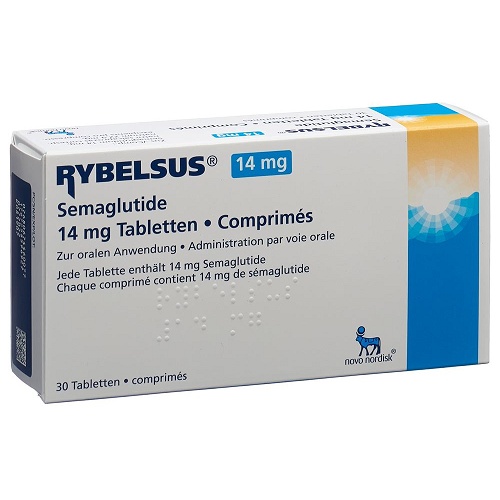
One Morning, Three Questions: The Real-Life Decision Behind Rybelsus
Mondays are never easy, especially when your blood sugar meter flashes a number you’d hoped not to see. Coffee half-finished, you’re thinking about your upcoming appointment. Your doctor mentioned Rybelsus last visit—an unfamiliar name on a list of options that seem to grow every year. Three questions swirl: Is this pill just another promise? Will it really be different from the needles and bottles that fill your bathroom drawer? And, crucially, what does choosing Rybelsus actually change in your life?
Patients in the United States face a paradox: Type 2 diabetes is everywhere, but so is confusion about treatment. Pills, injectables, lifestyle changes, insurance paperwork—each with its own rules and risks. Rybelsus is new enough to raise eyebrows but common enough to be on the shelves at nearly every pharmacy.
But Rybelsus isn’t just a pill. It’s a story of shifting expectations, of hope and hesitation, of clinical advances and practical realities. This article is about that story.
Why Rybelsus? And Why Now?
Rybelsus appeared just as the conversation about Type 2 diabetes started to shift. For decades, treatment meant metformin first, maybe adding a sulfonylurea, then sometimes insulin—always more medications as time went on. When oral semaglutide (Rybelsus) came onto the scene, it offered something that had never existed before: a GLP-1 receptor agonist in tablet form, not an injection.
But the real question isn’t, “What is Rybelsus?” It’s, “Why would someone living with Type 2 diabetes in the United States consider switching to it now?” The answer isn’t about novelty. It’s about options. For many patients, weight remains stubbornly high despite every effort. For some, daily injections feel like a step too far, a line they hope not to cross. For others, cost and insurance rules are their own battleground.
- Oral semaglutide offers the benefits of GLP-1 therapy without a needle. For those who’ve avoided injectables, that’s a revolution.
- Clinical trials show effective lowering of A1C and, in many cases, weight loss. Not every diabetes medication offers both—especially in a single daily pill. [FDA]
- It’s not one-size-fits-all. Rybelsus isn’t for every patient or every situation, and knowing for whom it works best is the key clinical question.
So “Why now?” Because more Americans with Type 2 diabetes are looking for alternatives that fit their lives—not just their numbers. Rybelsus is the first oral GLP-1 option approved by the FDA, making this a uniquely American story of access, insurance, and clinical innovation.
How Semaglutide Works—And What That Means in Daily Life
Semaglutide is the backbone of Rybelsus. Mechanism matters, but only because it shapes what you’ll feel day-to-day. Most patients don’t want the biochemistry—they want to know: Will it really help me eat less? Will I see the scale move? Do I need to worry about low blood sugar, or can I go about my day in peace?
Unlike old-school diabetes pills, semaglutide acts like a hormone (GLP-1) your body naturally releases after eating. It slows down how quickly food leaves your stomach, stimulates your pancreas to release insulin when you need it, and dials down the “I’m hungry” signals in your brain. All at once.
| Slows gastric emptying | Food stays in your stomach longer, which can help you feel fuller and eat less. |
| Stimulates insulin release (when needed) | Lowers blood sugar after meals, but doesn’t flood your system when you’re fasting. |
| Reduces appetite | Many patients notice less hunger and fewer cravings, especially after a month or two. |
What does all this mean for your routine? For many, it means eating smaller portions—sometimes naturally, sometimes with effort. It means blood sugars that don’t spike as sharply after breakfast. And it means that side effects, like nausea or stomach upset, are common (especially in the early weeks), but often fade as your body adapts.
Semaglutide’s magic and its challenge are the same: it changes how your body responds to food, not just your blood sugar. That’s why routine—same time every morning, empty stomach, no food or drink for 30 minutes—matters more than with almost any other diabetes pill.
Rybelsus vs. Other Diabetes Medications: The Table That Cuts Through the Hype
Ask three patients with Type 2 diabetes to compare their medications, and you’ll hear three completely different stories. Rybelsus stands out for its oral delivery and dual focus on blood sugar and weight. But how does it stack up against the other main players? Let’s look at what matters most: effectiveness, side effects, convenience, and cost in the United States context.
| Attribute | Rybelsus (Semaglutide, oral) | Ozempic (Semaglutide, injectable) | Metformin (oral) |
|---|---|---|---|
| Approved use | Type 2 diabetes, A1C lowering | Type 2 diabetes, A1C lowering; also heart risk reduction (in some patients) | Type 2 diabetes, first-line |
| Mechanism | GLP-1 receptor agonist | GLP-1 receptor agonist | Insulin sensitizer (biguanide) |
| Effectiveness (A1C reduction) | ~1.0-1.5% (dose-dependent) | ~1.0-1.8% (dose-dependent) | ~1.0-1.5% |
| Weight impact | Weight loss common | Weight loss common | Weight-neutral or slight loss |
| Common side effects | Nausea, diarrhea, decreased appetite | Nausea, diarrhea, injection site issues | GI upset, diarrhea |
| Method of use | Tablet, once daily, empty stomach | Injection, once weekly | Tablet, 1-2 times daily, with food |
| Prescription status (US) | Prescription only | Prescription only | Prescription only |
| Insurance coverage | Variable; often requires prior authorization | Variable; often requires prior authorization | Usually covered, low copay or generic |
| Typical cost (with insurance) | Moderate to high copay | High copay | Low copay, generic available |
| Generic available? | No | No | Yes |
Interpretation: Rybelsus delivers GLP-1 benefits in a daily tablet—unique among its class. It’s almost as effective as Ozempic for blood sugar and weight, but insurance hurdles and cost can be steeper than with metformin. For patients who want to avoid injections and have not reached goals with metformin, Rybelsus fills a gap. But for those with heart disease, Ozempic may be preferred (more on that later). Insurance usually covers Rybelsus, but expect paperwork and possibly a higher copay.
Taking Rybelsus in Reality: Timing, Tips, and What Nobody Tells You
If you’ve ever had to set an alarm just to take a pill, you know medication routines aren’t always as simple as “once daily.” Rybelsus requires a kind of precision most other diabetes pills do not: empty stomach, first thing in the morning, swallowed whole with a sip of water, then wait at least 30 minutes before eating, drinking, or taking other medications. Miss any of those steps, and absorption can drop—or side effects can flare.
Dosing isn’t guesswork, either. Your doctor will typically start you at 3 mg daily for 30 days. After that, the most common maintenance dose is 7 mg, with 14 mg as an option if blood sugar goals aren’t met. Going higher or skipping the ramp-up isn’t just unwise—it can make side effects much worse.
| Patient Group | Starting Dose | Maintenance Dose | Maximum Dose |
|---|---|---|---|
| Most adults | 3 mg once daily (first 30 days) | 7 mg once daily | 14 mg once daily |
| Renal impairment | Same as above | Same as above | Same as above |
| Hepatic impairment | Same as above | Same as above | Same as above |
| Older adults | Same as above | Same as above | Same as above |
Interpretation: Unlike many drugs, Rybelsus dosing does not change with age, kidney, or liver function. Everyone starts at the same place—gradually. But how the pill fits into your morning is unique to you, and the biggest barrier to success is usually routine, not biochemistry.
- Wait at least 30 minutes before breakfast or your next medication.
- Use only a half glass of water—more can alter absorption.
- Never split, crush, or chew the tablet.
- If you miss a dose, skip it and take your next one as usual the next day—do not double up.
Which Side Effects Matter Most with Rybelsus—And When to Act
Most patients notice something in the first weeks of Rybelsus: a queasy stomach, maybe a little less appetite, sometimes a run to the bathroom after breakfast. Gastrointestinal side effects are famous in the world of GLP-1s, and Rybelsus is no exception. But for most, these fade. For some, they don’t. And for a very small group, more serious risks can appear—ones that demand immediate action.
What should you expect? Nausea leads the pack, followed by diarrhea, abdominal pain, and constipation. Vomiting is less common but not rare, especially with higher doses or rapid dose increases. Most of these are self-limited and improve as you stay on the medication. Rare but serious risks—like pancreatitis, severe allergic reaction, or signs of thyroid tumor—are the real “red flags.”
| Side Effect | Frequency | When to Contact Doctor |
|---|---|---|
| Nausea | Very common (>10%) | If persistent, severe, or causes dehydration |
| Diarrhea | Common (>10%) | If ongoing or associated with weakness, dehydration |
| Vomiting | Common (1-10%) | If unable to keep fluids down, or symptoms are severe |
| Abdominal pain | Common (1-10%) | If severe, persistent, or sharp pains develop suddenly |
| Hypoglycemia (with insulin/sulfonylurea) | Common (1-10%) | If you experience confusion, fainting, or cannot self-treat |
| Pancreatitis | Rare (<1%) | If you develop severe abdominal pain, with or without vomiting |
| Thyroid C-cell tumors | Very rare (<0.1%) | If you notice a neck lump, hoarseness, or trouble swallowing |
| Hypersensitivity/allergic reaction | Rare (<1%) | If rash, swelling, or difficulty breathing occurs—call 911 |
Takeaway: Most patients will deal with mild digestive symptoms. These can often be managed by eating smaller meals, staying hydrated, or temporarily reducing dose (under your doctor’s guidance). But any sudden, severe abdominal pain—especially if accompanied by vomiting—warrants a call to your doctor that day. And any sign of allergy or difficulty breathing is an emergency—call 911.
When You Should Not Take Rybelsus: Warnings That Change the Story
- Personal or family history of medullary thyroid carcinoma (MTC)—Rybelsus is not for you. This is a black box warning, not a guideline.
- Multiple endocrine neoplasia syndrome type 2 (MEN 2)—Patients with this rare genetic condition should never use Rybelsus.
- Known hypersensitivity to semaglutide or any excipient—Even a remote history of severe allergic reaction means Rybelsus is off the table.
- History of pancreatitis—Risk is increased, but not an automatic no; requires close discussion and monitoring.
- Severe gastrointestinal disease—Patients with gastroparesis or severe GI conditions may experience worsening of symptoms.
- Diabetic retinopathy—Rapid improvement in blood sugar can sometimes worsen eye complications; extra monitoring is needed.
- Pregnancy and breastfeeding—Safety is not established. Discuss alternatives if planning to become pregnant or currently breastfeeding.
Why does this matter? Because these warnings are more than fine print—they directly influence who is offered Rybelsus in clinical practice. The FDA’s black box warning is not theoretical. If you (or a family member) have had certain thyroid cancers, your doctor will steer you away from all GLP-1 receptor agonists, including Rybelsus.
Other questions deserve nuance. Pancreatitis history is a classic “it depends” in diabetes care. For some, the benefits outweigh the risks; for others, another medication makes more sense. This is where the conversation with your doctor counts most.
Getting Rybelsus in the United States: Prescription, Pharmacy, Cost, and Insurance
Getting a prescription in the United States often feels less like a medical decision and more like a test of persistence. Rybelsus is FDA-approved and available at nearly every chain and independent pharmacy. But the pathway from prescription pad to your bathroom cabinet can be winding.
- Insurance coverage varies: Most major commercial insurers and Medicare Part D plans cover Rybelsus, but often require “prior authorization”—extra paperwork to prove you’ve tried (and not succeeded with) metformin or other first-line drugs.
- Copays can be significant: Even with insurance, expect a moderate to high copay unless you qualify for manufacturer coupons or assistance programs. Prices for the uninsured are much higher—often several hundred dollars per month.
- Pharmacy options: Rybelsus is dispensed through traditional in-person pharmacies and major online/ mail-order pharmacies. There are no over-the-counter or non-prescription options in the United States.
- Generic version? None currently available in the United States. All semaglutide tablets are branded Rybelsus, manufactured by Novo Nordisk.
Real-world tip: Ask your doctor’s office to initiate the prior authorization process immediately after your prescription—don’t wait for the pharmacy to call you. Manufacturer savings cards (available online) can bring copays down for eligible patients, but only if you apply before filling your prescription.
Bottom line: Rybelsus can be accessed by almost any patient in the United States with a prescription, but cost and paperwork are real barriers. Plan ahead, and don’t be afraid to involve your clinic or pharmacy in solving coverage problems.
Doctor’s Clinical Perspective: What Patients Get Wrong About Rybelsus
👨⚕️“The moment Rybelsus is prescribed, there’s often a sigh of relief—no more needles, just a daily pill. What many patients miss, though, is that Rybelsus is not a magic switch. It requires as much attention to timing and routine as any injectable, sometimes more. We see the best results when patients treat it like a ritual, not a convenience. Skipping the 30-minute wait, doubling up after a missed dose, or washing it down with coffee instead of water—these are the little things that derail progress. The biggest misunderstanding? That it will work just as well, no matter how it’s taken. In truth, it’s a partnership: the drug does its job only if the patient does theirs.”
This perspective underscores a reality rarely spelled out in medication guides: patient habit is as important as prescription. Rybelsus works differently from every other oral diabetes medication—not because of its molecule, but because of how tightly its effectiveness is bound to your daily decisions.
FAQs: Rybelsus in the Real World
- Is Rybelsus the same as Ozempic?
- No. While both use semaglutide as the active ingredient, Rybelsus is an oral tablet taken daily, and Ozempic is a once-weekly injection. Their dosing, absorption, and sometimes even insurance coverage differ. For some patients, the injection is more convenient (fewer routines to manage); for others, the idea of a daily pill wins out.
- Can I take Rybelsus with other diabetes medications?
- Often, yes. It is commonly combined with metformin or other oral agents. However, if you’re on insulin or a sulfonylurea, your doctor may lower those doses to reduce the risk of low blood sugar. Always discuss new combinations before starting.
- What if I miss a Rybelsus dose?
- Skip the missed dose and take your next tablet as usual the following day. Do not double up. Consistency is key, but occasional missed doses will not undo your progress if you get back on track quickly.
- Does Rybelsus help with weight loss?
- Clinical studies and patient experience both show that weight loss is common with Rybelsus, especially at higher doses. However, not everyone experiences significant weight change, and results depend on diet, activity, and dose. Weight loss benefits are an important reason many patients (and their doctors) choose this medication.
- How long before I see results in my blood sugar?
- Most patients notice improvements in their blood sugar within 1-2 weeks of starting Rybelsus, but the full effect—especially on A1C—can take 8-12 weeks. If you don’t see progress by then, your doctor may adjust your dose or discuss alternatives.
- Can I buy Rybelsus online legally in the United States?
- Only with a valid prescription from a licensed healthcare provider. Major online and mail-order pharmacies can fill Rybelsus prescriptions, but beware of non-U.S. websites or offers that do not require a prescription—these are illegal and unsafe.
- Is there a generic version of Rybelsus?
- No. As of now, there is no FDA-approved generic semaglutide tablet in the United States. All oral semaglutide is branded Rybelsus, made by Novo Nordisk.
- What should I do if I’m having persistent nausea or vomiting?
- First, contact your doctor. Sometimes lowering the dose, slowing the ramp-up, or adjusting the timing of meals can help. Never stop or adjust your Rybelsus dose on your own without medical advice.
- Does Rybelsus increase my risk of thyroid cancer?
- Animal studies showed an increased risk, leading to the FDA’s black box warning. So far, human risk is theoretical, and no direct causal link has been proven. Still, if you or a family member has had certain types of thyroid cancer, Rybelsus should not be used.
References
- U.S. Food and Drug Administration (FDA) – Rybelsus Information
- Centers for Disease Control and Prevention – Diabetes Statistics
- American Diabetes Association – Standards of Care
- Novo Nordisk U.S. – Rybelsus Prescribing Information
- ClinicalTrials.gov – Semaglutide for Type 2 Diabetes
- Mayo Clinic – Type 2 Diabetes Overview
- Rybelsus (semaglutide) prescribing information, Novo Nordisk, 2023
- Standards of Medical Care in Diabetes—2024, American Diabetes Association


