Buy Antabuse Without Prescription in the United States Online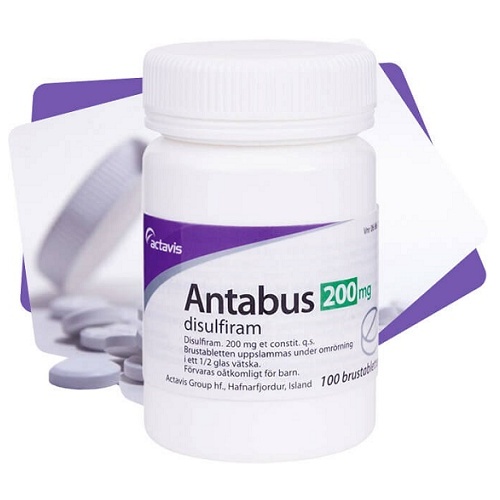
« Buy Zithromax in Online Pharmacy for Fast Delivery in United StatesBuy Glucophage Online in the United States – Fast and Easy Purchase »
- Home/
- Buy Antabuse Without Prescription in the United States Online
Medical Disclaimer: This article is for informational purposes only. Medication use is only possible after consultation with a qualified healthcare professional. Self-medication is dangerous and may be life-threatening.
Table of Contents
- Can You Obtain Antabuse Without a Prescription in the United States?
- Summary: Key Facts About Antabuse (Disulfiram) in the United States
- How Does Antabuse Work? (Mechanism of Action Explained)
- Expert Commentary from doctor
- What Is the Correct Dosage and How Should Antabuse Be Taken?
- Can Food or Lifestyle Affect How Antabuse Works?
- Who Should Not Use Antabuse? Full Contraindications Guide
- What Side Effects Are Most Common with Antabuse?
- Common Patient Mistakes Observed by doctor
- How Does Antabuse Compare to Other Treatments for Alcohol Dependence?
- Questions Frequently Asked to doctor
- Antabuse: Key Characteristics at a Glance
- How to Obtain Antabuse Legally in the United States: Step-by-Step
- How to Identify Counterfeit Antabuse and Recognize Generics
- Antabuse Compatibility Checker: Other Medications & Products
- What Should I Do in Case of Antabuse Overdose?
- Special Considerations: Who Needs Extra Caution with Antabuse?
- Is Antabuse Covered by Insurance? Costs and Reimbursement in the United States
- Managing Alcohol Dependence: Psychological and Social Support
- What If Antabuse Does Not Work for Me?
- Professional Opinion of doctor
- Frequently Asked Questions (FAQ)
- References / Sources
Can You Obtain Antabuse Without a Prescription in the United States?
No, Antabuse (Disulfiram) cannot be legally obtained in the United States without a prescription from a licensed healthcare provider. Attempting to purchase it through unauthorized sources is illegal and potentially dangerous due to the high risk of counterfeit or substandard medications.
Summary: Key Facts About Antabuse (Disulfiram) in the United States
| Parameter | Value |
|---|---|
| Active Ingredient | Disulfiram |
| Primary Use | Alcohol dependence (deterrent therapy) |
| Prescription Status | Prescription only (Rx) |
| Typical Dose | 250–500 mg once daily |
| Onset of Effect | Within 1–2 hours after first dose (alcohol reaction) |
| Major Contraindication | Severe heart/liver disease, recent alcohol intake |
| Cost (US, 2026 est.) | $50–$100/month (varies by pharmacy/insurance) |
| Generic Availability | Yes |
| Legal Online Purchase | Allowed via certified US telehealth services with prescription |
How Does Antabuse Work? (Mechanism of Action Explained)
Antabuse (Disulfiram) is an aldehyde dehydrogenase inhibitor. It blocks the enzyme responsible for metabolizing acetaldehyde, which forms when the body breaks down alcohol. Normally, acetaldehyde is quickly converted to harmless acetate. But when Antabuse is present, this step is halted. As a result, if alcohol is consumed, acetaldehyde builds up rapidly, leading to a variety of unpleasant (sometimes dangerous) symptoms: facial flushing, severe nausea, vomiting, palpitations, headache, chest pain, and a sense of panic.
This “aversion therapy” creates a strong negative reinforcement, reducing the desire to drink. Importantly, Antabuse has no effect unless alcohol is ingested—it does not reduce cravings or treat withdrawal symptoms directly.
Metaphor: Imagine your body is a factory. Normally, alcohol runs smoothly along the assembly line, but Antabuse shuts down a critical conveyor belt. When alcohol arrives, traffic jams and chaos ensue—forcing the factory to shut down production (i.e., making drinking very unpleasant).
Myth vs Reality:
Myth: Antabuse stops you from wanting alcohol.
Reality: Antabuse does not remove cravings. It only causes severe reactions if alcohol is consumed.
Pharmacologically, Disulfiram is absorbed in the gut, metabolized in the liver, and primarily excreted via urine. Its effects can persist for up to 2 weeks after stopping the drug, as enzyme inhibition remains active.
Key Point: Even small amounts of alcohol (in sauces, cough syrups, mouthwashes) can trigger a reaction while on Antabuse.
Expert Commentary from doctor
In my clinical experience, many patients expect Antabuse to “take away” their urge to drink, but that’s not its purpose. One practical challenge is hidden alcohol sources—people often forget about cooking wine or over-the-counter medicines, leading to accidental reactions. Another issue is adherence; some stop taking Antabuse before social events, undermining its effectiveness. I always emphasize the importance of honesty and regular follow-up, as the medication is most helpful when combined with counseling and a robust support system. I encourage patients to inform family and close friends about their therapy, so they can provide accountability and notice signs of relapse early.
What Is the Correct Dosage and How Should Antabuse Be Taken?
- Standard Starting Dose: 500 mg orally once daily for 1–2 weeks (can be reduced to 250 mg daily for maintenance).
- Maximum Dose: Do not exceed 500 mg per day.
- Administration: Take with or without food, but at the same time each day for consistency. Tablets may be split if scored, but always check with your pharmacist.
- Duration of Effect: Sensitivity to alcohol may last 1–2 weeks after the last dose due to prolonged enzyme blockade.
- For elderly or liver-impaired patients: Start at the lower end (e.g., 250 mg/day) and titrate only under close supervision.
- Children/Adolescents: Not recommended; safety and efficacy have not been established.
- Missed Dose: Take as soon as remembered unless it’s almost time for your next dose. Never double up.
Note: Never begin Antabuse less than 12 hours after last alcohol intake—waiting longer (24 hours or more) is preferable to minimize risk of severe reactions.
Can Food or Lifestyle Affect How Antabuse Works?
- Alcohol:
- Strictly prohibited. Even trace amounts (as little as 7–15 mL of ethanol) can cause dangerous reactions. Avoid foods or products that may contain alcohol—certain desserts, sauces, vinegar, cold/cough medicines, aftershaves, and mouthwashes.
- Fatty Foods:
- No significant effect on absorption or efficacy. May be taken with or without meals.
- Grapefruit Juice:
- No clinically significant interaction reported, but caution is always advised with any new dietary habit.
- Caffeine/Nicotine:
- No direct interaction, but both can worsen anxiety or cardiovascular effects if combined with an Antabuse–alcohol reaction.
Bottom line: The main interaction of concern is with alcohol, not food. Consult your pharmacist about any new medication or supplement, especially if it may contain alcohol-based excipients.
Who Should Not Use Antabuse? Full Contraindications Guide
| Type | Contraindication | Reason / Explanation |
|---|---|---|
| Absolute | Recent alcohol intake (within 12 hours) | Risk of severe, life-threatening reaction |
| Absolute | Severe heart disease (e.g., coronary artery disease, arrhythmias) | Antabuse–alcohol reaction can provoke arrhythmias, myocardial infarction |
| Absolute | Severe liver failure or cirrhosis | Disulfiram is hepatotoxic and may worsen liver damage |
| Absolute | Psychosis (current or history) | Disulfiram may worsen psychiatric symptoms |
| Absolute | Hypersensitivity/Allergy to Disulfiram or excipients | Risk of severe allergic reaction |
| Relative | Mild-to-moderate liver or kidney disease | May require dose adjustment and close monitoring |
| Relative | Diabetes mellitus | Antabuse-alcohol reaction can cause hypoglycemia |
| Relative | Epilepsy/seizure disorders | May lower seizure threshold |
| Relative | Pregnancy or breastfeeding | Use only if benefits outweigh risks (limited safety data) |
| Relative | Advanced age (>65 years) | Increased risk of adverse effects, more sensitive to dose |
In short: Antabuse is not safe for everyone—especially those with severe liver, heart, or psychiatric conditions. Always undergo a thorough medical assessment before starting therapy.
What Side Effects Are Most Common with Antabuse?
| Frequency | Side Effect | Mechanism/Notes |
|---|---|---|
| Very Common (>1/10) | Drowsiness, metallic/garlic-like aftertaste | Direct CNS or metabolic action |
| Common (1/100–1/10) | Headache, fatigue, acne, skin rash | Non-specific or immune-mediated |
| Uncommon (1/1,000–1/100) | Peripheral neuropathy (tingling, numbness), allergic reactions | May require discontinuation |
| Rare (1/10,000–1/1,000) | Hepatitis/liver dysfunction, psychosis, optic neuritis | Serious—requires prompt medical attention |
| Very Rare (<1/10,000) | Severe cardiovascular collapse (with alcohol), sudden death | Medical emergency |
What to do if side effects occur: Mild drowsiness, metallic taste, or skin rash should be reported to your doctor, but may resolve. For signs of liver injury (yellowing of skin/eyes, dark urine), severe psychiatric symptoms, or allergic reactions—stop Antabuse and seek medical attention immediately.
Common Patient Mistakes Observed by doctor
- Stopping Antabuse before planned drinking: Some patients believe that skipping doses before an event will “reset” their sensitivity. In reality, enzyme inhibition can last up to 14 days; reactions remain likely and can be severe.
- Forgetting hidden alcohol sources: Sauces, desserts, medications, and even hygiene products may contain alcohol. Accidental exposure is common and can trigger reactions.
- Inconsistent dosing: Missing doses undermines the psychological deterrent effect. Setting daily reminders and involving a support person can help maintain compliance.
- Starting Antabuse too soon after drinking: The window between last drink and first dose is crucial—beginning too early dramatically increases the risk of severe reactions.
- Failure to inform healthcare providers: Patients sometimes neglect to disclose Antabuse use before surgery or when prescribed new medications, risking dangerous interactions.
- Using Antabuse as a “standalone solution”: Relying solely on medication without counseling or support often results in relapse. Multimodal therapy yields better outcomes.
How Does Antabuse Compare to Other Treatments for Alcohol Dependence?
| Medication | Mechanism | Onset | Duration | Side Effects | Estimated Cost (2026, USD/month) | Prescription Required |
|---|---|---|---|---|---|---|
| Antabuse (Disulfiram) |
Aldehyde dehydrogenase inhibitor (causes aversive reaction with alcohol) | 1–2 hours | Enzyme inhibition: up to 2 weeks after stopping | Drowsiness, rash, hepatotoxicity, severe reaction with alcohol | $50–$100 | Yes |
| Campral (Acamprosate) |
Modulates glutamate neurotransmission (reduces craving) | 5–8 days | Short (requires 2–3x/day dosing) | GI upset, diarrhea, anxiety | $150–$210 | Yes |
| ReVia (Naltrexone) |
Opioid receptor antagonist (reduces reward from alcohol) | Within hours | Once daily (oral); monthly for injectable | Nausea, headache, liver toxicity risk | $75–$350 (oral/injectable) | Yes |
- Antabuse is unique in causing an aversive response; it does not address cravings directly.
- Acamprosate is primarily used to reduce cravings and maintain abstinence; safe even with some liver impairment.
- Naltrexone reduces the pleasurable effects of alcohol; not suitable for those using opioids.
Bottom line: The choice depends on individual history, liver function, motivation, and access. Antabuse’s success depends on adherence and continued follow-up.
Questions Frequently Asked to doctor
- Is it safe to take Antabuse for several years?
- Long-term use is possible under regular medical supervision, but periodic liver function tests are essential. Some people need Antabuse for months or years, especially if relapse risk remains high.
- What happens if I miss a dose?
- If you miss a dose, take it as soon as you remember, unless it's nearly time for the next one. Don't double the dose. Missing multiple doses may reduce effectiveness—try to create a reminder system and discuss with your care team.
- Can I take Antabuse together with antidepressants?
- Most commonly prescribed antidepressants do not interact with Antabuse, but some combinations may increase side effect risk. Always inform your doctor about all medications you're using.
- What if I accidentally ingest alcohol?
- Reactions can be severe—stop further alcohol intake immediately. Seek medical advice if you feel sick. If symptoms are dangerous (chest pain, difficulty breathing, collapse), call 911 right away.
- Is Antabuse safe in older adults?
- Older adults are more sensitive to side effects, especially liver problems. Initiate with lower doses and regular monitoring. Never begin Antabuse without a thorough medical review in this age group.
- How soon after stopping Antabuse can I safely drink alcohol?
- It’s safest to wait at least 14 days after the last dose, as enzyme inhibition can persist up to two weeks. Drinking earlier can still trigger a reaction.
- Can Antabuse be used after liver transplant or severe liver disease?
- No. Antabuse is contraindicated in those with severe liver impairment or after transplantation. Other therapies should be considered.
Antabuse: Key Characteristics at a Glance
| Parameter | Value |
|---|---|
| Active Ingredient | Disulfiram |
| Available Forms | 250 mg and 500 mg scored tablets |
| Prescription Status | Rx only |
| Usual Dose | 250–500 mg/day |
| Peak Plasma Level | 8–12 hours post-dose |
| Half-life | ~60–120 hours |
| Metabolism | Hepatic (liver) |
| Excretion | Urine (main), feces (minor) |
| Major Drug Class | Alcohol deterrent/aversive agent |
How to Obtain Antabuse Legally in the United States: Step-by-Step
- Step 1: Medical Evaluation
Schedule a consultation with a licensed healthcare provider (in person or via telemedicine). You’ll discuss your medical history, current medications, and readiness for alcohol abstinence. - Step 2: Prescription Issuance
If appropriate, your provider will write a valid prescription (electronic or paper). For telehealth, this is usually sent directly to your chosen pharmacy. - Step 3: Pharmacy Fulfillment
Obtain Antabuse from a certified US pharmacy or an online pharmacy registered with the NABP .pharmacy program. Check for the “.pharmacy” domain as a sign of legitimacy. - Step 4: Counseling and Monitoring
Arrange regular follow-ups to monitor side effects, liver function, and overall progress. Many clinics in major cities (e.g., New York, Los Angeles, Chicago) offer integrated addiction care.
Important: Never buy Antabuse from sites that do not require a valid prescription; these are often sources of counterfeit or substandard drugs.
How to Identify Counterfeit Antabuse and Recognize Generics
- Original Antabuse packaging: White tablets (often round/scored), marked with "Antabuse" and dose. Packaging should include manufacturer name (e.g., Odyssey Pharmaceuticals or appropriate generic producer), NDC code, and tamper-evident seal.
- Official US generics: May have different markings but will always list “Disulfiram” as the active ingredient. Legitimate generics use FDA-approved excipients and must meet the same quality standards.
- Warning signs of counterfeits: Unusually low price, spelling errors, missing lot or batch numbers, poor-quality printing, or absence of a valid NDC. Always check for a QR code or hologram if available.
- Where to verify: Confirm the pharmacy is accredited by the NABP and/or uses the ".pharmacy" domain. You can check drug appearance on the FDA NDC Directory.
- About generics: Generics are equally effective and safe if sourced legally; inactive ingredients may differ, but allergic reactions are rare. Ask your pharmacist if you have sensitivities to dyes or fillers.
Quality Check: Genuine Antabuse or its generics should arrive sealed, with clear labeling, batch numbers, expiration dates, and US FDA registration.
Antabuse Compatibility Checker: Other Medications & Products
| Product / Drug | Can Combine? | Consequences / Cautions |
|---|---|---|
| Alcohol (any form) | NO | Severe reaction, potentially fatal |
| Warfarin (anticoagulant) | CAUTION | Increases warfarin effect—monitor INR closely |
| Metronidazole (antibiotic) | NO | May cause psychosis or neurological toxicity |
| Tricyclic antidepressants | CAUTION | Increases risk of side effects (drowsiness, confusion) |
| Paracetamol (acetaminophen) | YES | No significant interaction |
| Insulin/Oral hypoglycemics | CAUTION | May increase risk of low blood sugar |
| Cough syrups, mouthwash | NO (if alcohol-based) | May trigger reaction |
Always consult your doctor or pharmacist before starting new medications or supplements.
What Should I Do in Case of Antabuse Overdose?
- Stop taking Antabuse immediately.
- Call 911 or your local emergency number (in the US: 911), especially if you feel confused, drowsy, or experience severe side effects.
- Inform the medical professional about the exact dose taken and whether alcohol or other substances were involved.
- Do not induce vomiting unless instructed by poison control or a healthcare provider.
- Bring the medication packaging with you to the hospital, if possible.
Symptoms of overdose may include confusion, loss of coordination, psychosis, low blood pressure, or even coma.
Special Considerations: Who Needs Extra Caution with Antabuse?
- Older adults (>65 years): Start lower, monitor liver and nerve function closely.
- Liver/kidney disease: Avoid or use with extreme caution; regular labs needed.
- Pregnancy & breastfeeding: Only if benefit outweighs risk; no robust safety data.
- Epilepsy or seizure disorders: May increase seizure risk.
- Psychiatric disorders: May worsen psychosis or cause new psychiatric symptoms.
- Driving/operating machinery: Drowsiness and confusion may impair abilities—avoid until you know your response.
- Family planning: No known direct effect on fertility, but consult your doctor.
Is Antabuse Covered by Insurance? Costs and Reimbursement in the United States
Antabuse (Disulfiram) is generally covered under most employer-based and Medicaid/Medicare plans in the United States, but copays and deductibles vary. Typical out-of-pocket costs range from $50–$100 per month for generics, but may be as low as $10–$30/month with insurance or discount cards.
Coverage can differ by state and insurer. Always check the Medicare or your private plan’s formulary. Telehealth visits for prescription may also be covered, especially since COVID-19 regulatory changes.
Managing Alcohol Dependence: Psychological and Social Support
If you’re starting Antabuse, remember: alcohol dependence is a complex, treatable medical condition. Medication helps, but psychological support makes a huge difference. Many people benefit from:
- Counseling (in-person or telehealth)
- Mutual-support groups (e.g., AA, SMART Recovery)
- Family involvement in therapy
- Regular follow-up with addiction specialists
It’s normal to struggle. Don’t hesitate to discuss your feelings with a therapist, partner, or peer group. You’re not alone—millions in the United States face similar challenges and recover every year.
What If Antabuse Does Not Work for Me?
If Antabuse is ineffective—whether due to persistent cravings, intolerable side effects, or issues with adherence—do not give up. Talk to your doctor about alternatives. Options include:
- Switching to medications that reduce craving (acamprosate, naltrexone)
- Intensified psychological therapy or inpatient programs
- Exploring new clinical trials (see ClinicalTrials.gov)
Many people find that a combination of medication, counseling, and support groups yields the best long-term results.
Professional Opinion of doctor
In my professional judgment, Antabuse is best suited for highly motivated individuals who have already achieved at least several days of abstinence and are seeking additional structure to maintain sobriety. It is particularly useful for those who respond well to external accountability—such as people with strong family or social support. The risk of severe reactions with alcohol means that careful screening and ongoing monitoring are essential. I rarely recommend Antabuse as a first-line agent in patients with significant liver disease, active depression, or cognitive impairment, as the risks typically outweigh the benefits. In these cases, alternatives like acamprosate or naltrexone, combined with behavioral therapy, are often preferable. Ultimately, successful treatment of alcohol dependence requires an individualized approach, and no medication—including Antabuse—should be used in isolation from psychosocial support.
Frequently Asked Questions (FAQ)
- Can Antabuse be used daily?
- Yes, Antabuse is typically taken once daily, at the same time each day.
- Is it safe to buy Antabuse online?
- Only if you purchase from a US-licensed pharmacy that requires a valid prescription; avoid unverified websites.
- Does Antabuse cure alcohol dependence?
- No, it helps deter drinking but does not cure addiction; psychological support is also needed.
- How long does Antabuse stay in your system?
- Sensitivity to alcohol can last up to two weeks after stopping the medication.
- Can I drink small amounts of alcohol while on Antabuse?
- No—any quantity may cause a severe, dangerous reaction.
- Is Antabuse covered by insurance?
- Most US insurance plans cover generic Disulfiram, but check your specific policy for details.
- What should I do if I have a reaction after drinking on Antabuse?
- Stop alcohol intake immediately and seek medical attention if symptoms are severe or persistent.
- Are generic versions of Antabuse effective?
- Yes, FDA-approved generics are considered equally effective and safe as branded Antabuse.
- Can Antabuse be started the day after binge drinking?
- No, you should wait at least 12–24 hours (preferably longer) after your last drink before starting Antabuse.
References / Sources
- U.S. Food and Drug Administration (FDA) – Disulfiram (Antabuse) Drug Information
- Mayo Clinic – Disulfiram (Oral Route): Description and Clinical Guidance
- PubMed – Recent Studies on Disulfiram for Alcohol Dependence (2024)
- Substance Abuse and Mental Health Services Administration (SAMHSA) – Disulfiram in Medication-Assisted Treatment
- American Medical Association – Alcohol Use Disorder Medication Therapy
- National Institute on Alcohol Abuse and Alcoholism (NIAAA) – Treatment for Alcohol Use Disorder
- ClinicalTrials.gov – Disulfiram Trials and Studies
Find a real qualified specialist in the United States: To connect with an addiction medicine physician or psychiatrist experienced in alcohol dependence, visit the American Society of Addiction Medicine (ASAM) 'Find a Physician' directory or consult your local health system in your city (e.g., New York, Houston, Los Angeles, Chicago).
Recent News

TruBank, Indianola – a TRULY great project
March 28, 2023

WCF Bank in Tama Coming Soon!
February 28, 2023

Steelcase Health – Designing Safe & Welcoming Behavioral Health Spaces
February 28, 2023


