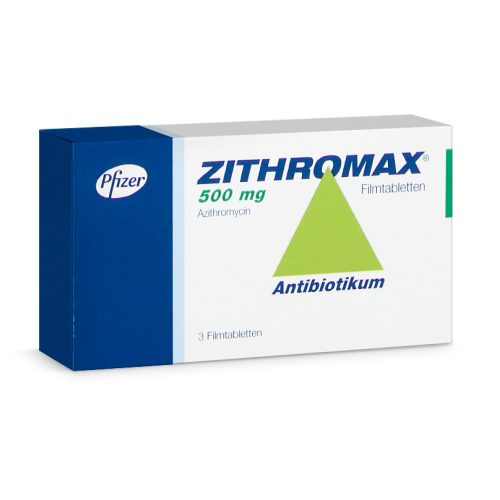
Buy Zithromax in Online Pharmacy for Fast Delivery in United States
This article is for informational purposes only. Medication use is only possible after consultation with a doctor. Self-medication is dangerous and may be life-threatening.
Zithromax (Azithromycin) in the United States: Comprehensive Medical Guide for Safe Use
Zithromax (azithromycin) is a prescription-only antibiotic in the United States and cannot be legally obtained without a valid prescription from a licensed healthcare provider. Over-the-counter sales are not allowed.
Zithromax is most commonly prescribed for bacterial infections like respiratory tract, skin, and some sexually transmitted infections.
Most patients begin to notice improvement within 24–72 hours of starting treatment if the infection is sensitive to azithromycin.
A valid prescription from a U.S.-licensed healthcare provider is required to obtain Zithromax at any pharmacy, including via telemedicine.
The most important safety consideration is the risk of serious allergic or heart-related side effects, especially if taken with certain other medications.
If you do not feel better after a full course or experience severe side effects, you should contact your doctor promptly.
Zithromax does not treat viral infections (like the common cold or flu).
What is Zithromax and How Does It Work?
Zithromax is the trade name for azithromycin, a broad-spectrum macrolide antibiotic. It is FDA-approved for the treatment of a variety of bacterial infections, including acute bacterial sinusitis, community-acquired pneumonia, pharyngitis/tonsillitis, uncomplicated skin and skin structure infections, urethritis and cervicitis, and some sexually transmitted infections such as chlamydia. It does not treat viral infections.
Zithromax is commonly prescribed in both outpatient clinics and hospitals throughout the United States. Its unique pharmacokinetic properties allow for once-daily dosing and short treatment courses, making it highly convenient for patients.
Myth vs Reality: Myth: "All antibiotics work the same way and are interchangeable." Reality: Each antibiotic has a distinct mechanism and spectrum; using the wrong antibiotic can be ineffective or dangerous.
The Scientific Mechanism of Azithromycin
Azithromycin, the active ingredient in Zithromax, is a macrolide antibiotic that works by inhibiting bacterial protein synthesis. Specifically, it binds to the 50S subunit of the bacterial ribosome, thereby blocking translocation steps required for peptide elongation and preventing bacteria from producing essential proteins. Without these proteins, the bacterial cells cannot grow or reproduce, leading to their eventual death or suppression.
Azithromycin’s effect is mostly bacteriostatic (inhibiting growth) at standard doses and may be bactericidal (killing bacteria) at higher concentrations against some organisms. This mechanism is independent of external factors—no special triggers are needed for the drug to act. Once absorbed and distributed in tissues, it accumulates at infection sites, maintaining effective concentrations for several days even after the last dose.
Metaphor: Imagine a factory assembly line. Azithromycin is like removing the key workers—production comes to a halt, and the factory shuts down.
When "Feeling Better" Can Be Misleading: Clinical Observations from the Front Lines
As a physician, I often see patients judge the success of Zithromax purely by how quickly their symptoms improve, without realizing that feeling better does not always mean the infection has been fully eradicated. Many expect rapid relief within a day, but some infections—especially respiratory or skin infections—may require more time. It’s also common for patients not to ask how to distinguish between antibiotic side effects and lack of efficacy, which can delay necessary follow-up care. Another frequent issue is that patients rarely inquire about the importance of completing the full course, even if they feel well. They might not realize that stopping early can promote antibiotic resistance or lead to recurrence. It's important for patients to understand that subtle signs, such as persistent low-grade fever or new symptoms, warrant medical re-evaluation rather than self-adjusting the medication.
How Should Zithromax Be Taken? Dosage & Posology
Zithromax is available in tablets (usually 250 mg or 500 mg), oral suspension, and intravenous forms. The correct dose and duration depend on the infection being treated and patient characteristics.
Adults: The typical dose for most infections is 500 mg once daily on Day 1, then 250 mg once daily on Days 2–5. For some indications, a single 1 g dose may be prescribed (e.g., for chlamydia).
Pediatrics: Dosage is weight-based—your doctor will calculate the correct amount.
Maximum daily dose: Do not exceed 500 mg (oral) or 2 g (IV) per day unless specifically instructed by your doctor.
Renal or hepatic impairment: Dose adjustments are generally not required for mild impairment but may be considered in severe cases; always follow your doctor's instructions.
Splitting tablets: Zithromax tablets should not be split. Use the prescribed strength.
Peak effect: Maximum blood concentrations are typically reached within 2–3 hours after oral administration. However, symptom improvement may take 1–3 days. The drug maintains high tissue levels for several days after the last dose, allowing for short treatment courses.
Food, Alcohol, and Lifestyle Compatibility
Food: Zithromax can be taken with or without food, but taking it on an empty stomach improves absorption slightly. If you experience stomach upset, taking it with a light meal may help. High-fat meals may delay peak absorption by approximately 1 hour, but this generally does not affect efficacy.
Alcohol: Moderate alcohol consumption is not strictly contraindicated but is not recommended during antibiotic therapy due to increased risk of stomach irritation, possible liver strain, and potential to mask worsening symptoms. If you have liver disease, alcohol should be strictly avoided.
Grapefruit juice: No clinically significant interaction has been established with azithromycin, but it is generally wise to avoid grapefruit products with any medications due to unpredictable metabolic effects.
Other lifestyle considerations: Zithromax does not impair the ability to drive or operate machinery, but dizziness or fatigue (rare side effects) can occur.
Which Conditions Make Zithromax Unsafe? Contraindications
Absolute Contraindications:
History of hypersensitivity to azithromycin, erythromycin, or any macrolide antibiotic (risk of anaphylaxis).
Severe hepatic impairment (Child-Pugh class C).
Current use of medications known to prolong the QT interval, such as certain antiarrhythmics (e.g., amiodarone, sotalol), may result in life-threatening arrhythmias.
Relative Contraindications (use with caution and under medical supervision):
Pre-existing heart conditions: History of prolonged QT interval, torsades de pointes, recent myocardial infarction (use only after careful cardiac evaluation and if no safer alternatives exist).
Moderate to severe renal impairment: Monitor for toxicity, although azithromycin is only minimally excreted by the kidneys.
Severe electrolyte disturbances (especially low potassium or magnesium).
Myasthenia gravis: May worsen muscle weakness.
After a heart attack: Use only with explicit clearance from a cardiologist and under close monitoring, typically at least 2–4 weeks following the event.
Why are these contraindications important? Zithromax can affect the heart's electrical system and interact with other drugs metabolized by the liver; ignoring these risks could result in serious complications, including sudden cardiac events or severe allergic reactions.
What to do if side effects occur: For mild side effects (upset stomach, headache), continue treatment and inform your doctor. For severe reactions (difficulty breathing, severe rash, fainting, persistent vomiting, or chest pain), stop the medication immediately and seek emergency medical care.
Mechanism behind the most frequent effect: Gastrointestinal symptoms occur because azithromycin alters gut motility and disrupts normal bacterial flora.
Zithromax Compatibility Check with Other Products
Type of Product
Can It Be Combined?
Consequences
Oral contraceptives
Yes
No clinically significant interaction
Warfarin (blood thinner)
Use with caution
Possible increased bleeding; monitor INR
Statins
Yes, but monitor
Rarely, may increase risk of muscle toxicity
Antacids (aluminum/magnesium)
Avoid simultaneous use
Decreased absorption of azithromycin
Amiodarone
STRICTLY NO
Life-threatening arrhythmias risk
Alcohol
Not recommended
May worsen stomach or liver side effects
Common Pitfalls: Mistakes Patients Often Make with Zithromax
Stopping the antibiotic early: Many patients stop taking Zithromax as soon as they feel better, which increases the risk of relapse and antibiotic resistance. Always complete the full course as prescribed.
Missing doses or taking irregularly: Skipping or spacing out doses can reduce effectiveness, leading to incomplete eradication of the infection. Set reminders and take doses at the same time each day.
Taking with antacids at the same time: Concurrent use with aluminum- or magnesium-containing antacids can significantly decrease azithromycin absorption. Wait at least 2 hours before or after taking antacids.
Ignoring severe or unusual symptoms: Continuing Zithromax despite severe rash, jaundice, or chest pain may lead to life-threatening complications. Contact a healthcare professional immediately if these occur.
Using leftover antibiotics or sharing: Taking Zithromax that was prescribed for a different illness or person is dangerous and may mask symptoms of a more serious underlying condition or cause adverse effects.
Consuming alcohol excessively: Drinking heavily while on Zithromax can worsen stomach and liver side effects. It’s best to avoid alcohol during your course.
How Does Zithromax Compare with Other Antibiotics?
Parameter
Zithromax (Azithromycin)
Amoxicillin
Levofloxacin
Onset of Action
24–72 hours
24–48 hours
24–48 hours
Duration of Therapy
3–5 days (typical)
7–10 days
5–7 days
Key Side Effects
GI upset, QT prolongation
Allergy, GI upset, rash
Tendon rupture, CNS effects
Prescription Required?
Yes
Yes
Yes
Approximate Cost per Course (USD, 2026)
$12–$40
$8–$25
$20–$50
Major Drug Interactions
QT-prolonging drugs
Oral contraceptives, allopurinol
Antiarrhythmics, corticosteroids
Formulations
Tablet, suspension, IV
Tablet, capsule, suspension
Tablet, IV
Bottom line: Zithromax offers shorter treatment duration and convenient dosing but carries a unique risk of heart rhythm disturbances and is not suitable for all infections.
Zithromax Technical Facts and Dosing Table
Parameter
Value
Active Ingredient
Azithromycin
Available Strengths
250 mg, 500 mg tablets; 100 mg/5 mL & 200 mg/5 mL suspension; IV form
Route of Administration
Oral, Intravenous
Typical Adult Dose
500 mg x 1 day, then 250 mg x 4 days
Half-Life (T1/2)
~68 hours
Storage
Room temperature (20–25°C/68–77°F); dry place
Manufacturer
Pfizer (original); multiple generics
Obtaining Zithromax in the United States: Step-by-Step
Step 1: Schedule a medical consultation. See your primary care provider, urgent care physician, or use a licensed telehealth service if appropriate.
Step 2: Clinical assessment and diagnosis. Your provider will review your symptoms, perform any necessary examinations or tests, and determine if a bacterial infection is present and whether azithromycin is appropriate.
Step 3: Receive a valid prescription. If indicated, your provider will issue a prescription for Zithromax (azithromycin), specifying the dose and duration.
Step 4: Obtain medication from a U.S.-licensed pharmacy. Present the prescription at your local pharmacy, or send it electronically if using telemedicine. Many U.S. pharmacies offer same-day pickup or home delivery.
Step 5: Follow up as directed. Monitor your symptoms during treatment and schedule follow-up care if they do not resolve or worsen.
All steps comply with U.S. healthcare and pharmacy regulations as of 2026.
Common Questions Answered by doctor
How will I know if Zithromax is working for my infection?
Most patients notice improvement in symptoms such as fever, pain, or discharge within 48–72 hours. Persistent or worsening symptoms after this period may suggest antibiotic resistance or a different underlying problem—contact your doctor.
Should I expect any immediate side effects after the first dose?
Mild stomach upset, loose stools, or nausea can occur early in therapy. Serious allergic or cardiac side effects are rare but can occur at any time. If you develop a rash, trouble breathing, or palpitations, seek care immediately.
Why do I have to finish the entire course even if I feel better?
Finishing the course ensures complete eradication of bacteria and reduces the risk of recurrence or antibiotic resistance, which is a growing public health concern.
Can Zithromax be used for any type of infection?
No, it is only effective for infections caused by bacteria sensitive to azithromycin. It does not work for viral illnesses (such as colds or flu) or for bacteria that are resistant. Your doctor will determine if it is appropriate for your specific case.
Is it safe to take Zithromax together with my regular medications?
This depends on the specific medications. Always inform your healthcare provider of all medicines and supplements you are taking. Some drugs, especially those that affect heart rhythm or liver metabolism, may interact with Zithromax.
What can I do if I have trouble swallowing tablets?
Ask your healthcare provider about the liquid suspension formulation, which is available for adults and children who cannot swallow pills.
How are treatment results monitored?
Monitoring is usually clinical—your doctor will assess symptoms and may order follow-up tests if the infection is severe or doesn’t resolve as expected.
Pharmacokinetics: How Zithromax Works Inside Your Body
Absorption: After oral administration, peak plasma concentrations occur within 2–3 hours. Food delays peak but does not generally affect overall absorption.
Distribution: Azithromycin rapidly distributes into tissues, achieving concentrations several times higher than in blood. This "tissue targeting" is key to its effectiveness.
Metabolism: Azithromycin is metabolized minimally in the liver; most of the drug remains unchanged.
Elimination: It is excreted mainly through bile into the feces, with only about 6% excreted unchanged in urine. The elimination half-life is long (~68 hours), supporting once-daily dosing and short courses.
Why does this matter? Patients with severe liver disease may not eliminate the drug efficiently, leading to accumulation and toxicity.
Special Considerations for Specific Patient Groups
Elderly: Older adults are at higher risk for heart rhythm changes (QT prolongation), especially if they are on other heart medications.
Children: Zithromax is FDA-approved for pediatric use with weight-based dosing; safety and efficacy are well established in children over 6 months.
Pregnancy & breastfeeding: Classified as Pregnancy Category B (no proven risk in humans, but always consult your provider). Small amounts may be excreted in breast milk, but no harmful effects have been reported to date.
Chronic kidney disease: Dose adjustment is usually not needed, but close monitoring is advised in severe impairment.
Impaired liver function: Use with caution or avoid in moderate-to-severe hepatic disease due to the risk of accumulation and toxicity.
Fertility: No evidence to date that azithromycin impairs fertility in either men or women.
Driving/operating machinery: No known impairment, but rare dizziness or fatigue may occur.
No clinical studies have been conducted on the long-term effects of azithromycin on fertility or cognitive performance.
Is It Safe to Use Online Pharmacies for Zithromax?
Legitimate online pharmacies in the United States are licensed and regulated by state pharmacy boards and must require a valid prescription for Zithromax. Safe online pharmacies:
Display their physical address and state pharmacy license number.
Require a U.S. prescription (they do not offer to "sell without a prescription").
Offer pharmacist consultation and customer service contact information.
Ship medications from within the U.S. (not from overseas).
Warning signs of unsafe sellers: No prescription required, prices that are "too good to be true," lack of contact information, and shipment from outside the United States. Purchasing from unregulated sources increases your risk of counterfeit or substandard medications, financial fraud, and lack of legal protection.
How to Identify Counterfeit Zithromax and Understand Generics
Identifying Genuine Zithromax in the United States
Packaging: Brand-name Zithromax by Pfizer is supplied in blister packs or bottles with the name "Zithromax" clearly printed, batch number, expiration date, and a tamper-evident seal.
Tablet appearance: Original 250 mg tablets are typically white to off-white, capsule-shaped, engraved with "Pfizer" and a code (e.g., "ZTM 250").
Security features: Look for QR codes, holograms, or unique identifiers on the box (as per U.S. standards). Check the packaging for spelling errors, blurred print, or unusual colors.
Price: An unusually low price is often a red flag for counterfeit or unapproved products.
Understanding Generics
Generics contain the same active ingredient, strength, and efficacy as the brand-name Zithromax, but may have different inactive ingredients (excipients). Generics are FDA-approved and undergo strict quality control.
Advantages of generics: Lower cost, widely available, equivalent therapeutic effect.
Disadvantages: Different color, shape, or size; rarely, allergic reactions to inactive ingredients.
What are excipients? These are inactive components (such as binders or colorants) that do not affect the antibiotic's action but may affect tolerability in some sensitive individuals.
What to Do in Case of Overdose
Stop taking Zithromax immediately.
Call Poison Control (1-800-222-1222) or 911 for emergency services in the United States.
Tell responders exactly what and how much was taken, and when.
Do not attempt to induce vomiting unless directed by a healthcare professional.
Bring the medication packaging with you to the hospital if possible.
Acknowledging the Psychological Aspect of Infection Treatment
Bacterial infections can cause anxiety or embarrassment, especially when symptoms persist or treatment fails. Remember, these conditions are common and manageable. If you feel overwhelmed or troubled by your diagnosis or the implications for your family or sexual partner, don’t hesitate to discuss your concerns with your provider or a mental health professional.
doctor's Clinical Assessment of Zithromax
In my clinical practice, Zithromax is best suited for patients who require a convenient, short-course antibiotic with broad-spectrum activity, particularly for respiratory tract infections, uncomplicated skin infections, and certain sexually transmitted infections such as chlamydia. Patients with a history of good medication adherence often benefit most, as the once-daily dosing minimizes missed doses. However, Zithromax is not ideal for patients at increased risk of cardiac arrhythmias (especially those with baseline QT prolongation or on interacting medications) or those with severe liver dysfunction. When there's a high likelihood of bacterial resistance or when culture results suggest a less sensitive organism, alternative antibiotics with a narrower spectrum or different mechanism—such as doxycycline or amoxicillin—may be preferable. I reassess therapy if clinical improvement is not observed within 72 hours or if adverse effects emerge. Ultimately, the benefit-risk profile and patient comorbidities should guide the choice of antibiotic. It is critical to engage in shared decision-making about antibiotic use, especially given the public health risks associated with unnecessary prescribing and resistance.
Frequently Asked Questions (FAQ)
Is Zithromax effective for COVID-19 or viral infections?
No, Zithromax is not effective against viruses, including COVID-19, influenza, or the common cold. It should not be used unless there is a confirmed or strongly suspected bacterial infection.
How long does it take for Zithromax to work?
Most people begin to notice improvement within 1–3 days of starting treatment, but it is important to finish the entire prescribed course even if symptoms resolve sooner.
Do I need a prescription for Zithromax in the United States?
Yes, Zithromax is only available with a valid prescription from a licensed healthcare provider in the United States. Over-the-counter sales are not permitted.
What should I do if I miss a dose?
Take the missed dose as soon as you remember. If it’s almost time for your next dose, skip the missed dose. Do not double up. Resume your regular schedule.
Can I take Zithromax if I'm pregnant?
Azithromycin is considered low risk in pregnancy (Category B), but always consult your obstetrician before starting any new medication during pregnancy.
Are there any foods or drinks I should avoid while taking Zithromax?
You may take Zithromax with or without food. Avoid taking it simultaneously with aluminum- or magnesium-containing antacids. Moderate alcohol intake is not strictly prohibited but is best avoided.
Is Zithromax the same as a generic azithromycin?
Yes, generic azithromycin contains the same active ingredient and is equally effective, but may vary in color, shape, or inactive ingredients.
Can Zithromax interact with other antibiotics or prescription medicines?
Yes, especially with drugs that prolong the QT interval or are metabolized by the liver. Always inform your provider of all medications.
What is the cost of Zithromax in the United States?
The cost varies by pharmacy and insurance coverage; a typical 5-day course may range from $12 to $40 without insurance as of 2026. Generics are less expensive.
Can I buy Zithromax online?
Yes, but only from a licensed online pharmacy that requires a valid prescription. Beware of unregulated websites selling without a prescription, as these may provide counterfeit or unsafe products.
References
U.S. Food & Drug Administration (FDA), "Zithromax (azithromycin) Label Information," Accessed 2026. https://www.fda.gov
Centers for Disease Control and Prevention (CDC), "Antibiotic Use Questions & Answers," Accessed 2026. https://www.cdc.gov