Buy Propecia at Low Price in the United States Online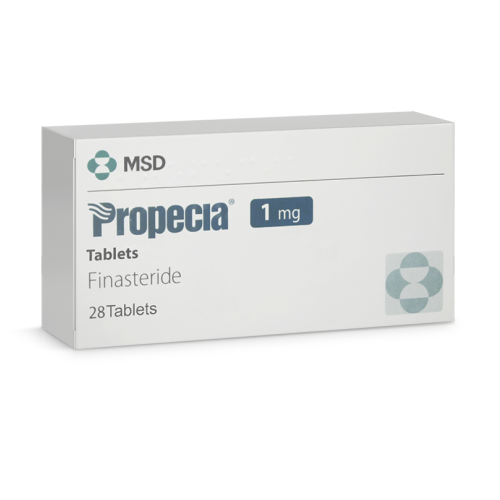
« Buy Glucophage Online in the United States – Fast and Easy PurchaseBuy Lasix Without Prescription in the United States Online »
- Home/
- Buy Propecia at Low Price in the United States Online
This article is for informational purposes only. Medication use is only possible after consultation with a doctor. Self-medication can be dangerous and is not advised.
Propecia (Finasteride) for Hair Loss in the United States: Expert Guide 2026
Direct answer:
Propecia (finasteride) requires a valid prescription from a licensed healthcare provider in the United States. Purchasing it without a prescription is illegal and unsafe. Always obtain Propecia through a verified pharmacy or via telemedicine with a licensed physician.
Propecia (finasteride) requires a valid prescription from a licensed healthcare provider in the United States. Purchasing it without a prescription is illegal and unsafe. Always obtain Propecia through a verified pharmacy or via telemedicine with a licensed physician.
Key Takeaways (2026):
- Active Ingredient: Finasteride 1 mg/tablet
- Indication: Male pattern baldness (androgenetic alopecia)
- Prescription: Required in all U.S. states
- Onset: Visible effect usually after 3–6 months of daily use
- Major Contraindication: Pregnant women must not handle crushed tablets; not for use in children
- Typical Price (2026): $20–$60/month for branded; $10–$30/month for generics (prices may vary by state and pharmacy)
- Insurance: Often not covered for cosmetic use; some plans may cover for specified medical conditions
- Most common side effects: Reduced libido, erectile dysfunction, decreased ejaculate volume (usually reversible after stopping)
How Does Propecia Work? (Mechanism, Explained Simply)
Propecia contains finasteride, a type II 5α-reductase inhibitor, approved by the FDA for the treatment of male pattern hair loss. Its primary action is to block the enzyme 5α-reductase, which converts testosterone into dihydrotestosterone (DHT). High levels of DHT in genetically susceptible men cause miniaturization of scalp hair follicles, leading to thinning and hair loss.
By reducing DHT levels (by about 60–70% in the scalp and serum), Propecia slows hair loss and, in many cases, stimulates regrowth in affected areas. However, the medication does not restore hair in completely bald areas and only works as long as it is taken continuously. Stopping Propecia usually results in loss of any hair gained within 9–12 months.
Simplified Metaphor: Think of DHT as a "weed" that chokes your hair roots. Propecia acts like a weed-blocker, reducing the overgrowth and letting your hair recover—if you keep applying it.
Importantly, Propecia works independently of meals, physical activity, or other triggers—it exerts its effect systemically by changing hormone metabolism.
Information gain: A 2024 meta-analysis (PubMed) involving over 4,000 men found that 1 mg finasteride daily for 12 months led to "moderate to marked improvement" in 68% of users, but only while on therapy.
Expert Commentary from doctor
In my clinical experience, the most common misunderstanding about Propecia is that results will be immediate or dramatic. Many patients get discouraged after 2–3 months and stop therapy just as it starts to work. I always tell my patients: be patient—real changes typically become visible after 3–6 months, with the best results at 12 months. Another pitfall is inconsistent use. Skipping doses or "taking breaks" resets the benefits and can lead to renewed hair loss. Also, some patients buy Propecia from questionable online vendors, risking counterfeit products or incorrect dosing. It's essential to use a legitimate pharmacy and discuss any side effects promptly with your provider. Long-term safety is good for most men, but rare sexual side effects must be discussed in advance.
How Do You Take Propecia? (Dosage, Timing, Duration)
| Standard Dosage | 1 mg finasteride once daily |
| Maximum Dose | Do not exceed 1 mg/day for hair loss |
| How to Take | Swallow whole with water, with or without food. Do not split or crush tablets (especially by women or children). |
| Onset of Effect | First results visible after 3–6 months of consistent daily use |
| Peak Effect | After 12–24 months |
| Duration of Action | Works only with continuous daily use; effects lost after discontinuation |
| Dose Adjustments | No adjustment needed for mild to moderate kidney or liver impairment, but consult a doctor. Not tested extensively in elderly men for hair loss. |
Note: Propecia tablets should not be split or crushed—this is due to risk of exposure for pregnant women, as finasteride can cause birth defects if absorbed through skin.
Patients with severe liver dysfunction should use with caution, as the drug is metabolized primarily in the liver.
Food, Alcohol, and Lifestyle: What Interacts with Propecia?
- With Food:
- Propecia can be taken with or without food—meals do not significantly affect absorption or bioavailability (FDA).
- High-Fat Meals:
- No substantial delay or reduction in effect. No clinical evidence that fatty food impacts outcomes.
- Alcohol:
- Moderate alcohol consumption (e.g., 1–2 drinks/day) does not interact with finasteride. However, excessive alcohol is discouraged due to overall health implications. There is no evidence of direct pharmacokinetic interaction.
- Grapefruit Juice:
- No documented interaction between grapefruit juice and finasteride as of 2026. Unlike statins or some antihypertensives, finasteride is not metabolized by CYP3A4 in a way that grapefruit affects.
- Smoking:
- No direct drug interaction, but smoking is independently associated with increased hair loss risk.
Myth vs Reality:
Myth: You must avoid alcohol completely while on Propecia.
Reality: Moderate intake is not contraindicated, but overall health should be considered.
What Are the Contraindications and Cautions for Propecia?
| Absolute Contraindications |
|
| Relative Contraindications / Cautions |
|
Bottom line: Propecia is NOT for use in women or children, and special caution is required for men with liver impairment or fertility concerns. Always discuss your full medical history before starting.
After a heart attack or major surgery: There is no specific required waiting period, but propecia is not used for acutely ill patients. Discuss with your specialist.
What Side Effects Are Most Common with Propecia?
| Frequency | Side Effect | Mechanism/Notes |
|---|---|---|
| Very Common (>10%) |
None | — |
| Common (1–10%) |
|
Due to reduced DHT, reversible in most cases after stopping |
| Uncommon (0.1–1%) |
|
Requires evaluation by a doctor; may signal other disorders |
| Rare (<0.1%) |
|
Seek medical advice immediately |
| Very Rare | Post-finasteride syndrome (persistent sexual, neurological, or physical symptoms after discontinuing) | Not fully understood; risk appears very low but real |
What to do if you experience side effects:
- Mild symptoms (e.g., mild libido changes): Discuss with your provider; may improve with time.
- Severe or persistent symptoms (e.g., persistent depression, breast changes, allergic reaction): Discontinue and contact your doctor immediately.
- New or unusual side effects: Report to the FDA MedWatch system.
In short: Most men tolerate Propecia well, but discuss any persistent or severe changes with a physician. Never ignore breast lumps or severe mood changes.
Common Patient Mistakes Observed by doctor
- Stopping too soon: Many men discontinue after 2–3 months when no change is visible. Propecia requires at least 3–6 months of consistent use for noticeable results.
- Missing doses regularly: Skipping or forgetting doses leads to suboptimal DHT suppression and reduced effectiveness. Set reminders or link with a daily routine.
- Buying from unverified sources: Purchasing Propecia without a prescription or from dubious online vendors increases the risk of counterfeit or unsafe products. Always use a licensed U.S. pharmacy.
- Not reporting side effects: Some patients are embarrassed to discuss sexual side effects and continue medication despite distress. Open communication with a healthcare provider allows for safer management.
- Self-adjusting the dose: Taking more than 1mg daily for hair loss does NOT increase effectiveness but may increase side effect risk.
- Women handling crushed tablets: Pregnant women must never handle broken or crushed Propecia tablets due to the risk of birth defects. Keep tablets in intact blisters.
How to avoid: Maintain open communication with your prescriber, use reminders for daily dosing, and only purchase through official, licensed channels.
How Does Propecia Compare to Alternatives in the U.S.?
| Medication | Active Ingredient | Onset | Duration of Effect | Main Side Effects | Typical Price (per month) | Prescription Needed? |
|---|---|---|---|---|---|---|
| Propecia | Finasteride 1 mg | 3–6 months | Only with ongoing use | Sexual dysfunction, breast tenderness | $20–$60 (branded) $10–$30 (generic) |
Yes |
| Minoxidil (topical) | Minoxidil 5% solution/foam | 3–6 months | Only with ongoing use | Scalp irritation, unwanted facial hair | $15–$30 | No (OTC) |
| Dutasteride (off-label) | Dutasteride 0.5 mg | 3–6 months | Only with ongoing use | Sexual dysfunction, higher risk of breast changes | $40–$90 | Yes |
Commentary: Propecia (finasteride) is generally the first-line oral therapy for male pattern baldness due to a balanced efficacy and safety profile. Minoxidil is used topically and is available over-the-counter but may be less effective for advanced cases. Dutasteride, approved for prostate enlargement, is sometimes used off-label for hair loss but is not FDA-approved for this use and may carry higher side effect risks. Propecia has the most robust long-term safety and efficacy data, but cost and insurance coverage may vary.
Questions Frequently Asked to doctor
- Is it safe to use Propecia for many years?
- Yes, long-term studies (up to 5 years) show that Propecia is generally safe for men who tolerate it without significant side effects. However, some men may experience persistent symptoms even after stopping. Regular check-ups every 6–12 months are advisable.
- What should I do if I miss a dose?
- Take the missed dose as soon as you remember, unless it's almost time for your next dose. Do not double up. One missed dose is unlikely to have an impact if you return to your usual schedule.
- Can I drink alcohol while taking Propecia?
- Moderate drinking (1–2 drinks/day) is not contraindicated. However, excessive alcohol should be avoided for overall health reasons. There is no direct interaction.
- Can Propecia affect my ability to have children?
- Rarely, finasteride may lower sperm count or affect quality. If you are planning to conceive, discuss risks with your doctor. Most men do not experience fertility changes, and effects are generally reversible.
- Will Propecia work for my receding hairline?
- Finasteride is most effective for vertex (crown) and mid-scalp hair loss but may also help slow frontal recession. Complete regrowth in bald areas is unlikely. Early intervention gives the best results.
- Is it dangerous to buy Propecia online?
- Buying from unverified websites is risky due to counterfeit or substandard products. Use a licensed U.S. pharmacy or reputable telemedicine provider requiring a prescription.
- Can women use Propecia for hair loss?
- No, it is neither approved nor recommended for women, especially premenopausal women, due to potential serious fetal harm if used during pregnancy.
Key Characteristics of Propecia: Quick Reference Table
| Parameter | Value |
| Active Ingredient | Finasteride |
| Standard Dose | 1 mg daily |
| Onset of Effect | 3–6 months |
| Duration of Effect | Only while taken |
| Main Side Effects | Sexual dysfunction, breast changes, mood changes (rare) |
| Prescription Required | Yes (United States) |
| Approximate Cost (2026) | $10–$60/month (varies by pharmacy and brand/generic) |
| Legal Status | FDA approved; prescription only |
How to Obtain Propecia Legally in the United States: Step-by-Step
- Consultation: Schedule an appointment with a licensed healthcare provider (in-person, telemedicine, or specialist dermatologist in your city).
- Medical Evaluation: Your doctor will assess hair loss pattern, medical history, and rule out other causes of alopecia.
- Prescription Issued: If appropriate, you'll receive a prescription. In many states, telehealth platforms provide same-day or next-day service with secure e-prescribing.
- Pharmacy Fulfillment: Fill the prescription at a local U.S. pharmacy (e.g., CVS, Walgreens, Rite Aid) or a licensed online/mail-order pharmacy. Only use pharmacies that require a valid prescription.
- Ongoing Monitoring: Follow up with your doctor every 6–12 months to monitor effectiveness and side effects.
Tip: Never purchase Propecia from foreign or unverified websites. U.S. pharmacies are regulated by the National Association of Boards of Pharmacy (NABP). Look for the VIPPS seal (Verified Internet Pharmacy Practice Sites).
How to Spot Counterfeit Propecia and Understand Generics
- Original Propecia appearance (U.S. 2026):
-
- Tablets: Film-coated, round, tan color, marked with "PROPECIA" and "MSD 71"
- Packaging: Official blisters with Merck branding, lot number, and expiration date
- Security features: Holographic stickers, QR codes, tamper-evident seals (new on 2026 versions)
- Price much lower than average:
- Can indicate counterfeit or non-equivalent product. U.S. generics are less expensive, but still require prescription and legitimate manufacture.
- What are generics?
- FDA-approved generics contain the same active ingredient, strength, and efficacy as branded Propecia, but may have different inactive ingredients (excipients).
- Should I choose a generic?
- Generics (finasteride 1 mg) are equally effective as Propecia and usually much less expensive. Allergic reactions to excipients are possible but rare; discuss with your pharmacist if you have specific allergies.
Quality Check:
If your Propecia lacks manufacturer markings, is missing security seals, or comes in plain packaging, do not use it and report to your pharmacist or the FDA.
If your Propecia lacks manufacturer markings, is missing security seals, or comes in plain packaging, do not use it and report to your pharmacist or the FDA.
Propecia Compatibility with Common Medications and Products
| Product/Medication | Can it be combined? | Consequences/Notes |
|---|---|---|
| Aspirin | Yes | No significant interaction |
| Minoxidil (topical) | Yes | Often used together for additive effect |
| Dutasteride | Not recommended | No added benefit; may increase side effect risk |
| Testosterone therapy | Caution | May counteract finasteride's effect; discuss with your doctor |
| Antidepressants (SSRIs) | Yes, with monitoring | Watch for mood changes |
| Nitrates | Yes | No direct interaction reported as of 2026 |
| Alcohol | Yes (moderate) | No direct interaction |
| Grapefruit Juice | Yes | No known interaction |
Note: Always disclose all medications and supplements to your healthcare provider prior to starting Propecia.
What To Do in Case of Overdose: Step-by-Step
- Stop taking Propecia immediately.
- Call Poison Control (1-800-222-1222 in the U.S.) or seek emergency medical care.
- Tell the healthcare provider exactly how much was taken and when.
- Do not attempt to induce vomiting or self-treat.
- Bring any packaging or remaining tablets for identification.
Reality check: There is no specific "antidote" for finasteride overdose. Symptoms are usually mild but may include hormonal side effects. Supportive care is provided in a medical setting.
Professional Opinion of doctor
From my perspective as a board-certified dermatologist, Propecia is most appropriate for men in their 20s to 50s with mild to moderate pattern hair loss, especially those with a family history or early signs of thinning at the crown or mid-scalp. It is not a cure—continued use is required, and it will not restore hair to completely bald areas. The benefit-risk profile is generally favorable, as most men experience either stabilization or significant slowing of hair loss, and some see regrowth. However, rare sexual or psychological side effects must be discussed in advance, and Propecia should never be used in women of childbearing potential. Alternatives such as minoxidil or low-level laser therapy may be suitable for those unwilling to accept the risks or for whom prescription medications are not appropriate. Hair transplantation remains an option for advanced cases. Overall, I recommend a shared decision-making approach, tailored to goals, preferences, and underlying health.
It’s okay to seek help
Hair loss can be distressing, but you’re not alone. Many men—and some women—experience hair thinning or loss. If it impacts your self-esteem, talk openly with a healthcare provider or counselor. Involving a partner or trusted friend can also help reduce anxiety and support your journey.
Frequently Asked Questions (FAQ): Propecia in the U.S.
- Can Propecia be purchased without a prescription in the U.S.?
- No, it is illegal and unsafe to obtain Propecia without a valid prescription from a licensed provider.
- How long does it take for Propecia to work?
- Typically, visible results are seen after 3–6 months of daily use, with full effect by 12 months.
- Is Propecia covered by insurance?
- Most insurance plans do not cover Propecia for hair loss as it is considered cosmetic, but check your plan for possible exceptions.
- Can Propecia cause permanent side effects?
- Most side effects resolve after stopping, but rare cases of persistent symptoms (post-finasteride syndrome) have been reported.
- Is it safe to use Propecia with minoxidil?
- Yes, combining Propecia with topical minoxidil is often recommended for additive benefit.
- What happens if I stop taking Propecia?
- Any hair regrown or retained is typically lost within 9–12 months of stopping the medication.
- Does Propecia affect muscle growth or testosterone levels?
- Finasteride lowers DHT but does not significantly alter total testosterone or muscle mass in most men.
- Can I buy Propecia online?
- Yes, but only through licensed U.S. pharmacies that require a prescription. Avoid any site that offers it without a prescription.
- Is Propecia safe for women?
- No, Propecia should not be used by women, especially those who are pregnant or may become pregnant.
References
- Food and Drug Administration (FDA), Propecia (finasteride) product information. Accessed 2026. https://www.fda.gov
- Mayo Clinic, Finasteride (oral route) description. Accessed 2026. https://www.mayoclinic.org
- National Institutes of Health (NIH), Dihydrotestosterone and androgenetic alopecia. Accessed 2026. https://www.ncbi.nlm.nih.gov/pubmed/
- American Academy of Dermatology Association, Hair loss: Who gets and causes. Accessed 2026. https://www.aad.org
- ClinicalTrials.gov, Finasteride for androgenetic alopecia. Accessed 2026. https://www.clinicaltrials.gov
- National Association of Boards of Pharmacy (NABP). Verified internet pharmacies. Accessed 2026. https://nabp.pharmacy/
- U.S. National Library of Medicine. DailyMed Drug Label: Finasteride. Accessed 2026. https://dailymed.nlm.nih.gov
How to Find a Hair Loss Specialist in the United States
If you're seeking a real, board-certified hair loss specialist, search the American Academy of Dermatology directory for dermatologists specializing in hair disorders. Leading centers are found in cities such as New York, Los Angeles, Chicago, Houston, Miami, and Boston. Ask for providers with experience in androgenetic alopecia, and confirm their credentials through state medical boards.
For telemedicine options, platforms like Healthgrades and major hospital networks offer virtual visits with U.S.-licensed dermatologists.
Conclusion: Responsible Use and Next Steps
Propecia remains a clinically proven, FDA-approved treatment for male pattern hair loss in the United States. It can yield visible improvements—but only with patience, consistent use, and oversight by a qualified healthcare provider. Never attempt to self-medicate or buy from unverified sources. Always discuss risks, benefits, and your goals with a trusted doctor. If you have further questions or concerns, consult a certified dermatologist or hair restoration specialist in your state.
Recent News

TruBank, Indianola – a TRULY great project
March 28, 2023

WCF Bank in Tama Coming Soon!
February 28, 2023

Steelcase Health – Designing Safe & Welcoming Behavioral Health Spaces
February 28, 2023


