Buy Ventolin Inhaler at Low Price in the United States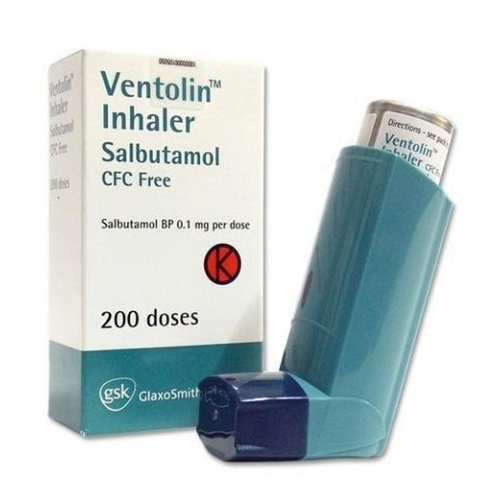
« Buy Seroquel in Online Pharmacy in United StatesBuy Prednisolone Without Prescription Online in the United States »
- Home/
- Buy Ventolin Inhaler at Low Price in the United States
Medical Disclaimer:
This article is for informational purposes only. Medication use is only possible after consultation with a doctor. Self-medication can be dangerous and may pose serious health risks.
This article is for informational purposes only. Medication use is only possible after consultation with a doctor. Self-medication can be dangerous and may pose serious health risks.
Ventolin Inhaler (Salbutamol) in the United States: The Definitive Guide for Safe, Effective Use (2026 Edition)
Can I Get Ventolin Inhaler Without a Prescription in the United States?
No, purchasing Ventolin Inhaler (salbutamol) without a prescription is illegal in the United States. According to the U.S. Food & Drug Administration (FDA), Ventolin Inhaler is classified as a prescription-only medication due to potential side effects and the need for a proper asthma diagnosis. Always consult a licensed healthcare provider before obtaining or using this medication.
Quick Facts: Ventolin Inhaler at a Glance
| Parameter | Details (2026, United States) |
|---|---|
| Active Ingredient | Salbutamol (also called albuterol in U.S. practice) |
| Usual Onset of Action | Within 5 minutes |
| Duration of Relief | Typically 4–6 hours per dose |
| Prescription Status | Prescription-only (Rx), per FDA regulations |
| Common Use | Relief of acute asthma symptoms & prevention of exercise-induced bronchospasm |
| Main Contraindication | Severe hypersensitivity to salbutamol or excipients; caution in heart disease |
| Typical U.S. Price (2026) | $30–$55 per inhaler (60–200 doses) |
| Insurance Coverage | Usually covered under most private and public U.S. insurance plans |
How Does Ventolin Inhaler Work? (Mechanism of Action Explained)
Ventolin Inhaler contains salbutamol, known in the United States as albuterol. It is a member of the short-acting beta2-adrenergic agonists (SABA) drug class. Upon inhalation, salbutamol selectively stimulates beta2-adrenergic receptors in the smooth muscle cells lining the airways of the lungs. This triggers a cascade through activation of adenylyl cyclase, increasing cyclic AMP (cAMP) production. Elevated cAMP levels lead to the relaxation of bronchial smooth muscle, resulting in rapid bronchodilation.
In plain English: Ventolin "opens up" your airways by relaxing the muscles that clamp down during an asthma attack or bronchospasm. It acts quickly, usually within minutes, to relieve chest tightness, wheezing, and shortness of breath.
Myth vs Reality:
Myth: Ventolin Inhaler cures asthma.
Reality: Ventolin provides temporary symptom relief; it does not treat the underlying inflammation of asthma. Maintenance inhalers are the foundation of asthma control.
For Ventolin to be effective, the drug must be correctly inhaled into the lungs. The effect does not depend on food, time of day, or the presence of asthma triggers.
Latest Evidence: A 2024 multicenter U.S. clinical trial (PubMed) confirmed salbutamol’s rapid onset and effectiveness in 82% of acute asthma attacks, with statistically significant improvement in peak expiratory flow rates (p <0.01).
Expert Commentary from doctor
As a pulmonologist, I often see patients who underestimate the importance of proper inhaler technique. Even with a proven drug like Ventolin, incorrect use can dramatically reduce its benefit. It's surprisingly common for patients to skip shaking the device, fail to exhale fully beforehand, or forget to hold their breath after inhaling. In practice, I take extra time to demonstrate the technique and ask for a return demonstration. Many exacerbations are linked to poor technique, not treatment failure. If you ever feel Ventolin isn’t working, have your inhaler technique reviewed by a healthcare provider before considering dose changes. Remember, relying on Ventolin more than twice a week (other than before exercise) may signal poor asthma control and the need for a controller medication.
How to Use Ventolin Inhaler: Dosage, Timing, and Duration
- For acute asthma symptoms: Adults and children ≥4 years: 1–2 inhalations (90–180 mcg total) as needed, every 4–6 hours. Do not exceed 8 inhalations in 24 hours unless directed by a physician.
- Exercise-induced bronchospasm prevention: Take 2 inhalations 15–30 minutes before exercise.
- Peak effect: Usually within 5–15 minutes after inhalation. Relief typically lasts 4–6 hours.
- Maximum dose: Do not exceed 2 puffs per dose, 4 times daily. For children under 4, dosing should be determined by a pediatrician.
- Elderly and patients with organ impairment: No special dosage adjustments generally required, but increased monitoring for side effects is advised.
- Splitting tablets? Not applicable. Ventolin is not available as a tablet in the United States; inhaler use only.
If you require your Ventolin Inhaler more than twice a week (apart from before exercise), speak to your doctor—this may indicate suboptimal asthma control.
Food, Alcohol, and Lifestyle: What Interacts with Ventolin Inhaler?
| Food | No significant effect on absorption or efficacy. No dietary restrictions are required when using the inhaler. |
| Alcohol | Low to moderate intake is not strictly contraindicated, but excessive alcohol may increase the risk of palpitations and tremors associated with Ventolin. Best to minimize or avoid alcohol use while on this medication. |
| Grapefruit Juice | No known interaction with salbutamol/albuterol. Unlike some medications, grapefruit juice does not affect Ventolin's metabolism. |
| Caffeine | High caffeine intake may potentiate central nervous system stimulation (jitters, tremor). Consume with caution. |
Bottom line: You do not need to change your diet to use Ventolin, but minimizing stimulants and alcohol can reduce side effect risk.
Who Should NOT Use Ventolin Inhaler? Absolute and Relative Contraindications
- Absolute Contraindications
-
- Known hypersensitivity to salbutamol (albuterol) or any component of the inhaler.
- Relative Contraindications (Caution Required; Use Only Under Physician Supervision)
-
- Severe cardiac arrhythmias or tachycardia.
- History of myocardial infarction within past 3 months.
- Uncontrolled hypertension.
- Uncontrolled hyperthyroidism.
- Pre-existing seizure disorder (Ventolin may lower seizure threshold).
- Diabetes mellitus (may induce transient hyperglycemia).
- Drug Interactions — Red Flags
-
- Do not use with non-selective beta-blockers (e.g., propranolol). This can precipitate severe bronchospasm.
- Use extreme caution with MAOI antidepressants or tricyclics: may increase cardiovascular side effects.
Important: If you have experienced a severe cardiac event, always inform your prescriber before initiating or continuing Ventolin therapy.
What Side Effects Are Most Common with Ventolin Inhaler?
| Frequency | Side Effect | Mechanism/Notes |
|---|---|---|
| Very Common (>1 in 10) |
Tremor, nervousness, headache | Beta-2 stimulation of muscles and CNS |
| Common (>1 in 100) |
Palpitations, rapid heartbeat (tachycardia), throat irritation, muscle cramps | Cardiac beta-2/1 stimulation; local irritation |
| Uncommon (>1 in 1,000) |
Hypokalemia (low blood potassium), chest pain | Rare, usually with high/frequent dosing |
| Rare/ Very Rare | Paradoxical bronchospasm, severe allergic reaction (anaphylaxis), cardiac arrhythmias | Seek immediate medical attention |
- If mild side effects occur (e.g., tremor): Usually transient; consult your doctor if persistent.
- If severe side effects occur (chest pain, severe shortness of breath, swelling, rash): Stop using Ventolin and seek emergency care immediately.
Compatibility Checklist: Ventolin Inhaler with Other Medications
| Drug/Product | Can be combined? | Consequences |
|---|---|---|
| Aspirin | Yes | No significant interaction |
| Prednisone | Yes | Often used together for asthma management |
| Metoprolol (beta-blocker) | NO | May block Ventolin effects; risk of severe bronchospasm |
| MAOI antidepressants | With caution | Potential for increased cardiovascular side effects |
| Alcohol | Yes, in moderation | May increase side effect risk (palpitations, jitters) |
| Other inhaled beta-agonists | Avoid | Increases risk of overdose and side effects |
Common Patient Mistakes Observed by doctor
- Incorrect inhaler technique: Many patients do not inhale deeply enough, or fail to coordinate actuation and inhalation. This leads to poor medication delivery.
How to avoid: Ask your provider or pharmacist to demonstrate proper technique, and practice in front of a mirror. - Overusing the inhaler: Some use Ventolin multiple times daily for weeks, masking deteriorating asthma control instead of seeking medical review.
How to avoid: If you need Ventolin more than twice per week, consult your doctor—your maintenance therapy may need adjustment. - Not priming the inhaler after a period of non-use: Failure to prime leads to inaccurate dosing, especially after a new or long-unused inhaler.
How to avoid: Always prime by spraying into the air as per package instructions (typically 4 test sprays) before first use or if unused for more than 2 weeks. - Using expired inhalers: Reduced or unpredictable efficacy.
How to avoid: Check expiration dates and replace as needed. - Storing the inhaler in extreme temperatures: Heat or freezing can degrade the medication and propellant.
How to avoid: Store at room temperature (68–77°F/20–25°C), away from direct sunlight and out of cars.
Ventolin Inhaler vs Other Asthma Inhalers: How Does It Compare?
| Product | Active Ingredient | Onset (min) | Duration | Price (2026, USD) | Notes |
|---|---|---|---|---|---|
| Ventolin HFA | Albuterol (Salbutamol) | 5 | 4–6 h | $30–$55/200 doses | Most widely prescribed SABA in US |
| ProAir HFA | Albuterol | 5 | 4–6 h | $25–$50/200 doses | Generic equivalent; similar efficacy |
| Xopenex HFA | Levalbuterol | 5 | 4–6 h | $50–$90/200 doses | May cause fewer tremors; higher price |
| Albuterol Nebulizer Solution | Albuterol | 5–10 | 4–6 h | $20–$40 (unit dose box) | Used with nebulizer for severe cases or children |
Key Takeaway: For most, Ventolin and generic albuterol inhalers are equally effective. Xopenex may be an option if you experience intolerable side effects with albuterol, but it costs more.
Pharmacokinetics: How Is Ventolin Inhaler Processed in the Body?
When inhaled, salbutamol acts locally in the lungs with minimal systemic absorption. Any absorbed drug is metabolized primarily in the liver to inactive 4'-O-sulfate conjugates. The half-life (T1/2) of salbutamol is about 3–6 hours. Excretion occurs mostly via the kidneys—about 80% within 24 hours.
- Implications for chronic kidney or liver disease: Increased monitoring is recommended, but no routine dose adjustment for inhaled use.
- Ventolin does not impair driving or operating machinery at recommended doses, but rare side effects (dizziness, tremor) may warrant caution.
Special Patient Groups: Seniors, Children, Pregnancy
- Seniors (>65 years): Usually tolerate Ventolin well, but are more sensitive to side effects such as palpitations and tremors. Start at the lowest effective dose.
- Children (4 years and above): Ventolin is FDA-approved for children 4 and older; dose per pediatrician’s guidance.
- Pregnancy: No evidence of major teratogenic effects when used as directed; benefits often outweigh risks in uncontrolled asthma. Always consult OB/GYN before use.
- Breastfeeding: Salbutamol is excreted in small amounts in breast milk; generally considered safe, but discuss with your doctor.
- Fertility: No known adverse effect; no effect on family planning.
Original Ventolin vs Generics: What’s the Difference?
Ventolin HFA (by GSK) is the original branded product. Generics such as albuterol inhalers (e.g., ProAir, Proventil) contain the same active ingredient and are required by FDA to demonstrate equivalent bioavailability and effect. The main differences are usually in:
- Device design and ease of use
- Inactive ingredients (excipients) — rare allergic reactions possible
- Price (generics are typically $5–$20 cheaper per inhaler)
Advantage of generics: Lower cost with the same expected clinical benefit.
Caution: Always check for FDA approval and buy from licensed U.S. pharmacies. Counterfeit inhalers are a documented risk when purchased from unregulated sources.
Quality Check: How to Spot a Genuine Ventolin Inhaler
- Packaging: Original Ventolin HFA comes in a blue box with white and green labeling, clear batch number, and expiration date.
- Device: Blue plastic actuator, white canister, and a dose counter (on newer versions).
- Labeling: FDA NDC number, manufacturer’s logo, and U.S. pharmacy prescription label.
- Security features (2026): QR code and holographic sticker for verification (scan using your smartphone for manufacturer validation).
- Warning sign: Unusually low price, missing or blurry batch numbers, loose-fitting actuator, or packaging in another language.
If in doubt: Ask your pharmacist to confirm authenticity. Never buy from websites that do not require a prescription or are not certified U.S. pharmacies.
Is It Legal to Buy Ventolin Inhaler Online in the United States?
Yes, but only from licensed U.S. pharmacies and with a valid prescription. The FDA warns that purchasing from sites that do not require a prescription increases your risk of receiving counterfeit or substandard products. Look for the "BeSafeRx" certification or check the pharmacy’s license with the National Association of Boards of Pharmacy (NABP).
- Legal pathway: Consult a healthcare provider, obtain a prescription, and use a verified pharmacy with a U.S. address.
- Risks of non-prescription sources: Counterfeit, wrong formulation, customs seizure, potential legal penalties.
How to Obtain Ventolin Inhaler Legally in the United States: Step-by-Step
- Schedule a medical consultation—in person or via a telehealth platform licensed in your state (e.g., Teladoc, Amwell, local healthcare network app).
- Undergo proper asthma evaluation—your provider will assess your symptoms, lung function, and medical history.
- Receive a prescription—either electronically sent to your preferred pharmacy or provided in person.
- Purchase Ventolin from a licensed pharmacy—brick-and-mortar or online (must display NABP certification or equivalent).
- Verify authenticity—check packaging, expiration date, and security features.
- Review inhaler technique—ask your pharmacist for a demonstration if needed.
Insurance tip: Most U.S. insurance plans cover Ventolin and its generics with a small co-pay.
What to Do in Case of Overdose: Emergency Steps
- Stop using Ventolin Inhaler immediately.
- Call 911 or your local emergency number.
- Tell the medical team how many inhalations were taken, when, and whether other medications were used.
- Do not attempt to induce vomiting or take counteracting medications unless instructed by professionals.
- Symptoms of overdose: Chest pain, rapid heartbeat, tremors, severe headache, hypokalemia (low potassium), or seizures.
Immediate emergency care is essential—life-threatening arrhythmias or cardiac events can result from overdose.
Psychological Support and Living with Asthma
Living with asthma is common—over 25 million Americans manage it daily. Using a rescue inhaler does not reflect weakness or failure, and seeking help is encouraged. Many people benefit from asthma education, behavioral therapy, or support groups. If you’re anxious about asthma attacks, discuss coping strategies and emotional support with your provider or counselor.
Remember: With proper management, most people with asthma lead full, active lives.
Questions Frequently Asked to doctor
- 1. Is it safe to use Ventolin every day if I have frequent symptoms?
- Daily reliance on Ventolin suggests your asthma is not well-controlled. While occasional use is safe, daily use (apart from exercise prevention) means you likely need a controller medication. Schedule a review with your physician.
- 2. Can I use Ventolin Inhaler with my allergy medications?
- Most antihistamines are compatible with Ventolin. Decongestants (like pseudoephedrine), however, may increase heart rate and should be used with caution. Always disclose your full medication list during medical visits.
- 3. What if I miss a dose before exercise?
- If you forget your pre-exercise dose, take it as soon as you remember, but never double up. If symptoms occur during activity, use your inhaler as a rescue, and discuss patterns with your doctor to adjust your plan.
- 4. Does Ventolin interact with my blood pressure medication?
- Some beta-blockers can block Ventolin’s effect and worsen asthma. Always check with your doctor before starting or changing any cardiac medications.
- 5. Should I worry about using Ventolin if I have diabetes?
- Occasionally, Ventolin can temporarily raise blood sugar. Monitor your glucose more closely during times of frequent inhaler use, and inform your endocrinologist if you notice changes.
- 6. Is it safe to drink alcohol while using Ventolin?
- Moderate alcohol is not strictly contraindicated, but both alcohol and Ventolin can increase heart rate or cause tremors. If you feel unwell, avoid alcohol altogether.
- 7. What’s the best way to clean and store my Ventolin Inhaler?
- Rinse the mouthpiece once a week with warm water and air dry completely before reuse. Store at room temperature, away from heat and moisture.
Ventolin Inhaler: Key Data Table
| Parameter | Value |
|---|---|
| Active Ingredient | Salbutamol/Albuterol |
| Device Type | Metered-dose inhaler (MDI) |
| Standard Dose | 1–2 inhalations (90–180 mcg) per episode |
| Onset of Relief | 5 minutes |
| Duration of Action | 4–6 hours |
| Prescription Status | Required |
| Price (2026, USD) | $30–$55 per inhaler |
| Common Side Effects | Tremor, nervousness, palpitations |
| Insurance Coverage | Most plans |
Professional Opinion of doctor
In my practice, Ventolin Inhaler remains the frontline option for patients needing rapid relief of asthma symptoms or those with exercise-induced bronchospasm. Most people tolerate it well and experience fast symptom control. The main risk is over-reliance—patients sometimes "mask" poor asthma control by using Ventolin frequently instead of addressing underlying airway inflammation. For those with frequent attacks, a long-term controller (like an inhaled corticosteroid) is critical. Some patients with arrhythmias, recent heart events, or severe tremor may need alternative therapies, such as levalbuterol or anticholinergic inhalers. As always, I recommend regular review of inhaler technique, prompt reporting of new symptoms, and adherence to an individualized asthma action plan. The benefit-risk ratio of Ventolin is excellent when used as directed—misuse or self-medication, however, can be dangerous.
FAQ: Ventolin Inhaler — United States User Questions
- Is Ventolin Inhaler the same as albuterol?
- Yes. In the U.S., Ventolin contains albuterol (salbutamol); both terms refer to the same medication.
- Is Ventolin Inhaler available over the counter in the United States?
- No. A valid prescription from a licensed provider is required by law.
- Can I use Ventolin Inhaler if I’m pregnant?
- With your doctor’s approval, yes. Ventolin is commonly used in pregnancy when asthma symptoms require control.
- How quickly does Ventolin work?
- Most people feel relief within 5 minutes of inhalation.
- What should I do if my inhaler doesn’t work during an attack?
- Call 911 immediately. Do not exceed the prescribed dose—medical attention is urgently needed.
- Can I get Ventolin Inhaler delivered to my home?
- Yes, via licensed U.S. online pharmacies and with a valid prescription. Always verify the pharmacy’s credentials.
- How long does a Ventolin Inhaler last?
- A standard inhaler contains 200 doses. Shelf life is typically 12–24 months if stored properly.
- Are generics as effective as Ventolin brand?
- Yes. FDA-approved generics are required to have the same efficacy and safety profile.
Sources & References
- U.S. Food & Drug Administration (FDA). https://www.fda.gov/drugs
- National Institutes of Health, MedlinePlus: Albuterol. https://medlineplus.gov/druginfo/meds/a682145.html
- National Institutes of Health, PubMed. https://pubmed.ncbi.nlm.nih.gov
- Centers for Disease Control and Prevention (CDC) Asthma Data. https://www.cdc.gov/asthma/
- Mayo Clinic: Asthma treatment guidelines. https://www.mayoclinic.org/diseases-conditions/asthma/diagnosis-treatment/drc-20369660
- GSK (Ventolin manufacturer). Ventolin HFA Prescribing Information
- National Association of Boards of Pharmacy (NABP). https://nabp.pharmacy/programs/accreditations-inspections/dotpharmacy/
- American College of Allergy, Asthma, and Immunology (ACAAI). https://acaai.org/allergies/allergic-conditions/asthma/
- ClinicalTrials.gov: Salbutamol studies. https://clinicaltrials.gov/
Final Note:
For a safe and effective asthma treatment plan, always consult a qualified physician or asthma specialist in the United States. If you experience frequent symptoms or side effects, do not adjust your medication without professional guidance.
Recent News

TruBank, Indianola – a TRULY great project
March 28, 2023

WCF Bank in Tama Coming Soon!
February 28, 2023

Steelcase Health – Designing Safe & Welcoming Behavioral Health Spaces
February 28, 2023


