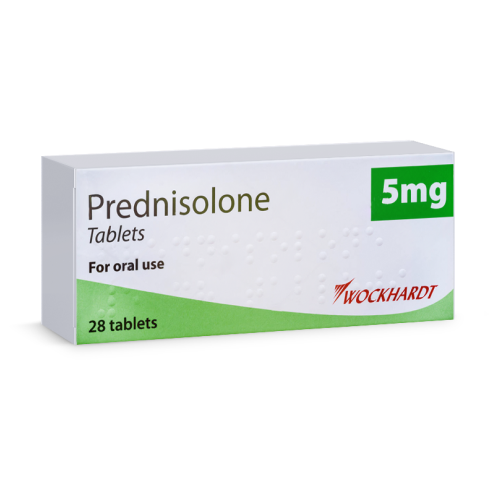
Prednisolone is a synthetic glucocorticoid. It works by modulating the body’s immune response and suppressing inflammation. The drug binds to glucocorticoid receptors in cell nuclei, leading to altered gene expression that decreases production of pro-inflammatory cytokines (like interleukin-1, tumor necrosis factor-alpha) and inhibits immune cell function. In short, it dials down the body’s overactive inflammatory and immune responses.
On a deeper level, Prednisolone inhibits phospholipase A2, reducing arachidonic acid release and thereby decreasing prostaglandin and leukotriene synthesis—two key drivers of swelling, redness, and pain. It also stabilizes lysosomal membranes, further blocking inflammatory cell recruitment.
Simple metaphor: If inflammation is a fire alarm system going off throughout the body, Prednisolone acts like the control panel—it quiets the alarm and prevents sprinklers (inflammatory cells) from flooding the building.
Does Prednisolone need a trigger to be effective? No, its action is independent; it does not require activation by other factors. However, its effectiveness depends on the underlying disease and the patient’s health status.
Recent clinical trials (2024) confirm that prednisolone’s immunomodulatory effects remain central in managing both acute and chronic inflammatory states.


