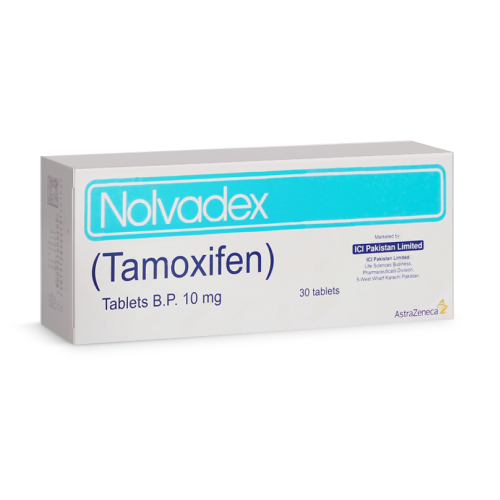
Buy Nolvadex Online in the United States Easily and Securely
Nolvadex (tamoxifen) is a prescription medication used for treating certain types of breast cancer and lowering the risk of recurrence. If you’re starting Nolvadex, the single most important thing to know is that its benefits and risks depend on your personal cancer type, stage, and medical history—so decisions about treatment and monitoring should always be tailored with your oncology team in United States.
That Moment When Nolvadex Becomes the Right Choice
Picture a quiet conference room in a cancer center somewhere in the United States. You’re sitting with your oncologist, reviewing pathology results. The word “hormone receptor-positive” floats in the air. The doctor mentions options: chemotherapy, radiation, perhaps surgery, and then—almost as a pivot—Nolvadex. There’s a pause, almost as if this is the moment everything shifts from fighting the immediate threat to preventing its return.
Nolvadex isn’t for every scenario. Its primary role is in breast cancers that are “estrogen receptor positive” (ER-positive), meaning the cancer cells use estrogen as fuel. That’s the crucial dividing line. For these patients, tamoxifen (the active ingredient in Nolvadex) becomes the backbone of hormone therapy—sometimes as the first line, sometimes after surgery or in combination with other treatments. The timing can be right after diagnosis or after other treatments have cleared the initial threat. The decision is rarely binary; it’s a calculation of risk, benefit, and personal history, all against the backdrop of your cancer’s unique biology.
Clinical Tip: If your doctor talks about “hormone-driven” or “ER-positive” breast cancer, ask specifically whether Nolvadex is on the table—and why. This isn’t a minor technicality; it determines your roadmap.
For some, the drug is a lifeline—a way to push the odds of recurrence dramatically lower. For others, it’s part of a broader strategy that may include alternative hormone therapies (like aromatase inhibitors) or different sequencing. The moment Nolvadex becomes the right choice is rarely just about following a guideline; it’s about identifying the intersection between your cancer’s biology and your life’s priorities.
Living With Nolvadex: What Changes (and What Stays the Same)
“What will my life look like on Nolvadex?” It’s a question asked quietly, sometimes after the appointment, sometimes at 2 a.m. when the fear is sharper. The reality: you may not feel dramatically different the day after you start. There’s no visible countdown, no daily transformation. But under the surface, the drug is quietly blocking estrogen’s effects in breast tissue—a process that isn’t obvious, but is absolutely consequential.
Daily routine impact: For most, Nolvadex is a pill taken once a day, with or without food. Adherence matters. Missing doses decreases protection—think of it less like a painkiller and more like a seatbelt; you need it in place, consistently, to do its job.
Physical symptoms: Side effects don’t strike everyone equally. Some will notice hot flashes, mild fatigue, or changes in menstrual cycles. Others feel almost nothing. The unpredictability is part of the challenge, but also the reassurance: not every patient is destined for a difficult course.
Monitoring and follow-up: Expect regular check-ins. In United States, this means bloodwork every few months, at least early on. Eye exams are sometimes recommended. If you notice symptoms like leg swelling, unexplained pain, or vision changes, these deserve immediate attention—not because they’re common, but because they matter if they appear.
Stat: In major trials, about 70% of women on Nolvadex complete their planned course of therapy—meaning the majority tolerate treatment well enough to finish, but a substantial minority need changes.
What stays the same? Most of your day-to-day activities. Nolvadex doesn’t require isolation, hospitalization, or a drastic change in work or social life for most patients. But it does call for a new attentiveness—both to your body’s signals and to scheduled follow-ups. If you’re worried about maintaining normalcy, ask your doctor directly how treatment should (or shouldn’t) affect your routines. The answer is nearly always: you remain in charge, with a new tool in your arsenal.
How Nolvadex Fights Breast Cancer—And Why Tamoxifen Matters
Unlike chemotherapy, which attacks rapidly dividing cells indiscriminately, Nolvadex acts with surgical precision. Tamoxifen binds to estrogen receptors on breast cancer cells, blocking the hormone’s ability to promote tumor growth. Think of it as locking the door that estrogen would normally use to enter and fuel the cancer cell. The result is a slow-down or outright halt in the cancer’s ability to grow and spread—without the systemic chaos of traditional cytotoxic drugs.
Estrogen Receptor (ER) Positive Breast Cancer
Breast cancer cells that depend on estrogen for growth. Identified by lab tests after biopsy or surgery. Tamoxifen is effective only when these receptors are present.
Selective Estrogen Receptor Modulator (SERM)
The drug class Nolvadex belongs to. SERMs act like estrogen blockers in some tissues (like the breast) but can mimic estrogen in others (like the bone).
Note: The dual behavior of tamoxifen means it offers protection against bone thinning (osteoporosis) compared to other breast cancer medications, but it can also stimulate the lining of the uterus (raising rare risks).
Why does this mechanism matter? Because it defines both Nolvadex’s strengths and its side effect profile. Aromatase inhibitors, a competing class, shut down estrogen production altogether—an approach that works only in postmenopausal women and carries its own baggage of bone loss and joint pain. Tamoxifen, by contrast, is often the only oral anti-hormonal option for premenopausal women and can be better tolerated in some. Its use in men with breast cancer is also supported by clinical guidelines, though the evidence base is smaller.
In the United States, the standard of care reflects these nuances. If you are premenopausal, tamoxifen is likely the first hormone therapy your doctor will offer; if you are postmenopausal, the choice is more nuanced and may depend on side effect risk, comorbidities, and personal priorities. The “why” of Nolvadex is never just about blocking estrogen. It’s about offering a tailored approach based on biology, life stage, and risk tolerance—the essence of personalized medicine in breast cancer.
Nolvadex vs. Your Other Options: The Real-World Comparison
Attribute
Nolvadex (Tamoxifen)
Arimidex (Anastrozole)
Femara (Letrozole)
Active Ingredient
Tamoxifen
Anastrozole
Letrozole
Drug Class
SERM
Aromatase inhibitor
Aromatase inhibitor
Approved Use
ER+ breast cancer (all ages, both sexes), prevention in high-risk women
ER+ breast cancer (postmenopausal women only)
ER+ breast cancer (postmenopausal women only)
Effect in Premenopausal Women
Effective and standard of care
Ineffective without ovarian suppression
Ineffective without ovarian suppression
Bone Health
Neutral or protective
Increases risk of osteoporosis
Increases risk of osteoporosis
Menstrual Impact
May cause irregularity, but does not induce menopause
Typically causes menopause-like symptoms in premenopausal women
Ditto (see Arimidex)
Most Common Side Effects
Hot flashes, vaginal symptoms, rare clot risk
Joint pain, hot flashes, bone thinning
Joint pain, hot flashes, bone thinning
Serious Risks
Blood clots, uterine cancer (rare)
Osteoporosis, cardiovascular risk
Osteoporosis, cardiovascular risk
Monitoring Required
Bloodwork, occasional eye and uterine checks
Bone density scans, bloodwork
Bone density scans, bloodwork
Prescription Status (U.S.)
Prescription only
Prescription only
Prescription only
Typical Monthly Cost (Uninsured)
Low ($15–$50 generic; insurance varies)
Low to moderate ($20–$100 generic; insurance varies)
Low to moderate ($20–$100 generic; insurance varies)
In the real world, this table shows why Nolvadex remains a mainstay—especially for premenopausal women, men, and those with a history of osteoporosis. Its favorable effect on bone, broad eligibility, and cost profile make it the go-to option for many. Aromatase inhibitors are often reserved for postmenopausal women, where the data show a slight edge in recurrence prevention, but at the cost of more bone loss and joint symptoms. For younger patients or those with certain side effect risks, Nolvadex’s unique profile is a decisive advantage in United States practice.
Taking Nolvadex Correctly: Timing, Adherence, and the Everyday Realities
Consistency is everything. Nolvadex is typically prescribed as a once-daily pill—most often 20 mg, though your dose may differ if you have special circumstances or are in a clinical trial. Whether you take it in the morning or evening is usually up to you; what matters is making it a habit. Set an alarm, pair it with another daily ritual, or use a pill organizer—whatever keeps missed doses to a minimum.
Warning: Skipping doses for several days in a row can reduce the protective effect of Nolvadex. If you forget a dose, take it as soon as you remember—unless it’s almost time for your next dose, in which case skip the missed pill and resume your schedule. Never double up without your doctor’s direction.
Some patients feel tempted to stop treatment early, especially if side effects become bothersome or if they start to feel “cured.” Data from large U.S. studies show a clear pattern: the longer you stay on Nolvadex (up to five or ten years, depending on your cancer’s risk), the greater your protection against recurrence. But quitting early can raise your risk, even if you’re feeling well. If you’re struggling, talk to your oncology team—there are often ways to manage symptoms or consider alternatives.
Food and drink: Nolvadex can be taken with or without food. There are no major dietary restrictions, but always check for changes based on your personal health or other medications.
Other medications: Some drugs, especially certain antidepressants (like paroxetine or fluoxetine), can interfere with how your body processes tamoxifen. Always provide a full medication list to every provider you see.
Alcohol: Moderate consumption is not forbidden, but heavy drinking can increase risk of liver side effects and interact with your cancer risk factors. Discuss with your doctor if you drink regularly.
Above all, don't hide struggles with adherence out of embarrassment; your care team has seen every scenario before. Open communication about missed doses or side effects is the fastest way to keep your treatment on track and your risks as low as possible.
Which Side Effects Matter Most with Nolvadex—and When to Act
Most patients starting Nolvadex expect hot flashes, maybe some fatigue or mild mood shifts. And it’s true: for many, those symptoms appear—sometimes within days, sometimes weeks in. But the majority find these manageable or transient. The side effects that matter most are not always the most obvious. It’s the serious, less frequent risks—like blood clots, vision changes, or uterine symptoms—that demand your attention, not because they’re common, but because they can be dangerous if ignored.
Stat: Blood clots (deep vein thrombosis or pulmonary embolism) occur in roughly 1–2% of patients on Nolvadex—a small risk, but higher than in the general population, and higher than with some other breast cancer drugs.
Here’s where patients often get caught off guard: many side effects are mild, some are completely absent, and a rare few can be serious. The trick is not to panic at the first hot flash but to stay vigilant for the warning signs that signal a need to call your doctor.
Common but manageable: Hot flashes, mild weight gain, menstrual changes, slight fatigue, mood swings, or vaginal dryness/spotting. These can often be managed with lifestyle changes, prescription remedies, or reassuring monitoring.
Less common but more serious: Swelling or pain in the leg, sudden shortness of breath, chest pain (possible blood clot); abnormal vaginal bleeding or pelvic pain (possible uterine effects); vision changes (possible rare eye complications).
Very rare but critical: Severe skin rashes, symptoms of stroke (sudden weakness, confusion, speech difficulty), jaundice or significant yellowing of eyes/skin (liver effects).
What should you actually do? Don’t wait for a routine appointment if you experience red-flag symptoms. The majority of reported side effects are not emergencies, but ignoring warning signs can turn a manageable risk into a medical crisis. Keep a written list of symptoms for each check-up, and if in doubt, call—better one “false alarm” than a missed diagnosis.
Nolvadex Safety at a Glance: When to Call Your Doctor
Side Effect
How Common?
When to Call Your Doctor
Hot flashes
Very common (30–50%)
If severe, interfere with sleep/daily life, or are accompanied by palpitations
Menstrual irregularity
Common (15–35%)
If heavy, persistent, or associated with pelvic pain
Vaginal discharge/bleeding
Occasional (5–15%)
If unexplained, heavy, after menopause, or persistent
Leg swelling/pain
Rare (1–2%)
Immediately—possible blood clot
Shortness of breath/chest pain
Rare (<1%)
Immediately—possible pulmonary embolism
Vision changes
Rare (<1%)
If new or worsening—may require eye exam
Liver function changes
Very rare (<1%)
If jaundice or dark urine—seek prompt attention
Uterine cancer
Very rare (<1%)
Any postmenopausal bleeding or pelvic pain—call promptly
Most side effects can be managed without stopping Nolvadex. But the symptoms flagged in red—especially those related to blood clots, severe bleeding, or persistent pain—are your signal to seek immediate advice. For the average patient in United States, the safety profile remains strongly in favor of benefit over risk, especially when monitored actively by your provider.
When Not to Take Nolvadex: Absolute and Conditional Warnings
Absolute contraindications:
History of blood clots: If you have had a deep vein thrombosis, pulmonary embolism, or inherited clotting disorder, Nolvadex is generally not recommended. The risk of another life-threatening clot can outweigh any potential benefit.
Allergy to tamoxifen or any component of Nolvadex: True, serious allergic reactions are rare but represent a hard stop.
Pregnancy: Nolvadex can cause birth defects and should never be used during pregnancy or while trying to conceive. Reliable contraception is essential for all women of childbearing potential during treatment and for at least two months after stopping.
Relative contraindications and cautions:
History of endometrial cancer or uninvestigated abnormal uterine bleeding: Tamoxifen can stimulate the uterus, raising the risk of certain cancers. If you have a history of uterine cancer, the risks may outweigh the benefits—this requires a nuanced discussion with your oncologist.
Severe liver disease: Tamoxifen is processed by the liver, and advanced liver dysfunction may increase side effect risk or reduce effectiveness.
Concurrent warfarin use (for DVT/PE): Caution is required, as the combination can increase clotting risk or bleeding complexity.
Drug interactions (especially SSRIs): Certain antidepressants (notably paroxetine and fluoxetine) can inhibit tamoxifen activation, potentially reducing effectiveness. Always review any new prescription with your oncology pharmacist.
If any of these situations describe you, do not take Nolvadex without a full risk-benefit assessment from your oncology team. When in doubt, it’s always safer to delay starting or pause a prescription than to risk a dangerous complication.
Nolvadex in United States: Access, Cost, and Availability
In United States, Nolvadex (and generic tamoxifen) is available only by prescription. It’s not an over-the-counter product and cannot be legally purchased from unaccredited online pharmacies. Your pathway starts with an oncology specialist or, in rare cases, a primary care provider familiar with breast cancer management. Most large chain pharmacies and hospital pharmacies stock tamoxifen in generic form; the brand-name version is less commonly dispensed, largely due to cost and insurance preferences.
Insurance coverage: Most commercial plans, Medicare, and Medicaid cover generic tamoxifen with a modest copay; the brand version is almost always subject to higher out-of-pocket costs unless medically justified.
Cost without insurance: Generic tamoxifen typically ranges from $15 to $50 per month at major pharmacies, but prices can swing higher in some regions or for certain formulations. Discount programs and pharmacy savings cards may bring the price down.
Prior authorization: In general, tamoxifen does not require prior authorization, but some insurers require documentation for preventive, rather than treatment, use.
Supply continuity: U.S. pharmacies rarely run out of tamoxifen, but supply chain issues occasionally cause brief delays. If your pharmacy is out, ask about other locations or reputable mail-order options recommended by your provider.
Access Tip: Always check with your insurance company, both when you start and periodically thereafter, to confirm ongoing coverage—formularies can change, and you don’t want to be surprised at the pharmacy counter.
For those facing financial hardship, assistance programs are available via manufacturer websites, cancer support foundations, and in some cases, state programs. If cost is a barrier, bring it up with your oncology team—solutions almost always exist but are easier to address early in treatment.
Nolvadex in United States: FAQ
How long do I need to take Nolvadex for breast cancer?
Most patients in United States are prescribed Nolvadex for five years, but recent studies support extending therapy to ten years in higher-risk cases. The optimal duration depends on your cancer stage, risk of recurrence, and how well you tolerate treatment. Discuss duration at every annual review with your oncologist.
Can I switch from Nolvadex to an aromatase inhibitor?
Yes, switching is common, especially for women who transition into menopause during therapy. Your doctor may recommend starting with Nolvadex and then moving to an aromatase inhibitor, or vice versa, depending on your age, tolerance, and cancer risk profile.
Is it safe to become pregnant after Nolvadex?
Nolvadex is dangerous during pregnancy due to risk of birth defects. After treatment, most guidelines recommend waiting two months before attempting conception to ensure the drug is out of your system. Discuss family planning with your oncology team early, as timing and monitoring are important.
Does Nolvadex interact with antidepressants?
Some antidepressants, especially paroxetine and fluoxetine, can block the enzyme (CYP2D6) needed to activate tamoxifen. Safer alternatives (like citalopram, sertraline, or venlafaxine) exist—always disclose all medications to your doctor and pharmacist.
What should I do if I miss a dose of Nolvadex?
If you miss a dose, take it as soon as you remember unless it's close to the next scheduled dose—then just skip the missed one. Never double up. If missed doses become frequent, talk to your care team about strategies to improve adherence.
Will Nolvadex cause menopause?
Nolvadex often causes menstrual irregularity but does not induce menopause. Some symptoms (like hot flashes) may resemble menopause, but periods may continue, especially in younger women. True menopause may eventually occur if you are close to that age or after other cancer treatments.
How can I manage hot flashes caused by Nolvadex?
Hot flashes are common, but strategies such as dressing in layers, avoiding triggers (like caffeine or alcohol), and using fans or cooling pads can help. Some non-hormonal prescription medications are also effective—speak with your doctor for options tailored to you.
Can men with breast cancer use Nolvadex?
Yes, tamoxifen is the standard of care for men with hormone receptor-positive breast cancer. Dosage and side effect monitoring are similar to those for women, but men should discuss unique considerations (such as fertility and sexual health) with their provider.
Should I worry about rare side effects like uterine cancer?
The risk of uterine (endometrial) cancer is very low but real—especially after menopause. Report any unusual vaginal bleeding or pelvic pain to your doctor promptly. Routine monitoring and timely reporting keep the benefits well ahead of the risks for most women.