Buy Doxycycline in Online Pharmacy – Fast Delivery in United States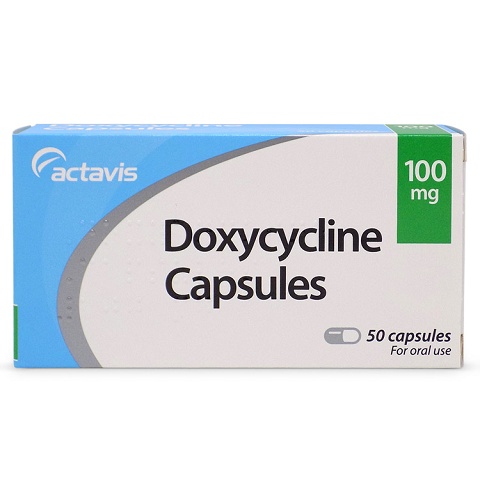
« Buy Nolvadex Online in the United States Easily and SecurelyBuy Zithromax in Online Pharmacy for Fast Delivery in United States »
- Home/
- Buy Doxycycline in Online Pharmacy – Fast Delivery in United States
| Medicine Name | Doxycycline |
|---|---|
| Main Component | Doxycycline hyclate |
| Type of Therapy | Broad-spectrum antibiotic |
| Typical Strengths Sold | 50 mg, 75 mg, 100 mg, 150 mg tablets or capsules |
| How Quickly It Acts | Noticeable improvement usually within 24–48 hours of first dose |
| Effect Duration per Dose | Roughly 12–24 hours depending on indication and dosing |
| Prescribing Rules | Requires a doctor’s prescription in the United States |
| Taking with Food | May be taken with or without food, but food can reduce stomach upset |
| Cost Range (US) | Approximately $10–$50 for a typical course, depending on brand and pharmacy |
Doxycycline: clinical application, safety, and purchase in the United States
Doxycycline is an established antibiotic prescribed to treat a wide array of bacterial infections, from respiratory tract illnesses to skin conditions and sexually transmitted infections. Its use is regulated and legal throughout the United States, with access requiring a prescription from a licensed healthcare provider. Understanding how it works, whether it is suitable for your situation, and how to obtain it safely is essential before starting therapy.
Bacterial infections: how common, how solvable
Bacterial infections remain a significant health concern in the United States, affecting millions of people each year. According to the U.S. Centers for Disease Control and Prevention (CDC), in 2022, there were over 2.8 million antibiotic-resistant infections and 35,000 related deaths annually in the US alone. Common bacterial conditions—such as urinary tract infections, respiratory infections, and skin infections—are encountered daily in clinics and urgent care settings. While these statistics may sound alarming, the majority of bacterial infections are manageable with timely diagnosis and appropriate antibiotic therapy, such as doxycycline, making full recovery the norm for most patients.
How Doxycycline stops infections: mechanism and what you will feel
Doxycycline works by interfering with the bacteria's ability to produce proteins essential for their growth and multiplication. To put it simply, this antibiotic binds to the bacterial ribosome—the structure responsible for making proteins—preventing the bacteria from building the blocks they need to survive. For the patient, this means that once doxycycline is in your system, it quickly begins to curb the spread of the infection. Most people notice a reduction in fever, pain, or other symptoms within one to two days of starting the medication. However, the full effect depends on the specific infection being treated and individual factors such as your immune response and the presence of other health conditions.
Is Doxycycline right for you? Matching real-life situations to the best choice
| Situation | Recommendation | Reasoning |
|---|---|---|
| You have been diagnosed with acne, a respiratory tract infection, or Lyme disease, and have no history of severe allergies to antibiotics. | Doxycycline is often an appropriate first-line treatment. | Its broad spectrum covers most causative bacteria for these conditions and is well-tolerated in otherwise healthy adults. |
| You are pregnant, breastfeeding, or younger than eight years old. | Alternative antibiotics should be considered. | Doxycycline can affect bone and tooth development in children and is not recommended during pregnancy or breastfeeding. |
| You have a bacterial infection but also significant liver disease or a known allergy to tetracyclines. | Doxycycline is not suitable. | Risk of side effects or allergic reactions outweighs the benefits in these cases; another class of antibiotics is safer. |
| You are taking medications such as isotretinoin or anticoagulants (e.g., warfarin). | Consult your doctor before starting doxycycline. | There may be clinically important drug-drug interactions requiring dose adjustments or close monitoring. |
This table reflects typical decision points seen in U.S. medical practice. Most adults with common bacterial infections may find doxycycline an effective, accessible choice—except in notable exceptions such as pregnancy, childhood, and allergy risk.
How to take doxycycline in real life: best practices and what if it doesn’t go to plan?
- Timing: Doxycycline is usually taken once or twice a day as directed. Try to take it at the same time(s) each day to maintain stable blood levels.
- Method: Swallow the tablet or capsule whole with a full glass of water. Staying upright for at least 30 minutes afterward reduces the risk of irritation to your esophagus.
- With or without food: Food can help limit stomach upset, but certain foods—especially those high in calcium (like milk or cheese)—can reduce absorption. Space out dairy products by several hours if possible.
- Missed dose: If you miss a dose, take it as soon as you remember unless it’s nearly time for the next one. Never double up doses to “catch up.”
- When it doesn’t seem to work: If your symptoms do not begin improving within 48–72 hours or worsen, contact your healthcare provider. It may be due to resistance or a non-bacterial cause.
- Finishing the course: Even if you feel better, continue taking doxycycline for the full prescribed duration. Stopping early can lead to relapse or resistance.
- What’s normal: Mild stomach upset, mild diarrhea, or increased sensitivity to sunlight are common and usually not serious.
- When to be concerned: Severe headache, vision changes, persistent vomiting, or signs of an allergic reaction (rash, swelling, trouble breathing) require prompt medical attention.
Is doxycycline safe for everyone? Contraindications explained
- Pregnancy: Doxycycline is contraindicated in pregnancy because it can interfere with fetal bone and tooth development, leading to permanent discoloration or growth abnormalities.
- Children under 8 years old: Avoid use in this group due to a similar risk of tooth discoloration and potential effects on bone growth.
- Known allergy to tetracyclines: Any history of allergic reaction (rash, swelling, breathing problems) after tetracycline, minocycline, or doxycycline makes use unsafe due to risk of severe hypersensitivity.
- Severe liver disease: Doxycycline is metabolized in the liver; preexisting severe hepatic dysfunction can increase the risk of toxicity.
For anyone with these conditions, a different antibiotic is usually required. If you are uncertain, speak with a healthcare professional or pharmacist before starting doxycycline. In the United States, the Food and Drug Administration (FDA) maintains updated safety guidance on all prescription antibiotics.
Side effects: what’s common, what’s rare, and what signals danger
- Mild effects (frequent): Nausea, mild stomach pain, diarrhea, and temporary photosensitivity (increased risk of sunburn). These usually resolve as your body adjusts or after finishing the course.
- Moderate effects (less common): Mild skin rash, yeast infections, and headaches. If persistent or bothersome, report to your healthcare provider.
- Serious reactions (rare): Severe skin reactions (blistering, peeling), swelling of face or throat, breathing difficulty, or persistent vomiting. These may indicate a dangerous allergic response (anaphylaxis) or severe side effect.
If you experience signs of a serious allergic reaction—such as sudden swelling, difficulty breathing, or loss of consciousness—immediately call 911 (the national emergency number in the United States) or go to the nearest emergency room. Such reactions are rare but can be life-threatening if not treated promptly.
Interactions: what not to mix with doxycycline
Some medications, supplements, and foods can interfere with how doxycycline works or increase the risk of side effects. Key examples:
- Calcium, iron, magnesium, and antacids: These can bind to doxycycline and limit its absorption. Take doxycycline at least 1–2 hours apart from such products.
- Blood thinners (e.g., warfarin): Doxycycline can enhance the effect of these drugs, increasing bleeding risk. Dose adjustment and closer monitoring may be needed.
- Isotretinoin (used for severe acne): Using both can raise the risk of increased intracranial pressure (pressure inside the skull).
- Barbiturates and some seizure medications: These can lower doxycycline blood levels, making it less effective.
Always inform your healthcare provider and pharmacist about all medications, vitamins, and supplements you’re taking. This helps prevent dangerous or inconvenient drug-drug interactions.
Doxycycline and alternatives: where it stands among antibiotics
| Antibiotic | Best Situations | Limitations |
|---|---|---|
| Doxycycline | Acne, respiratory infections, tick-borne diseases (including Lyme), chlamydia, and some skin infections | Not suitable for pregnant women, young children, or severe liver disease; some bacteria now show resistance |
| Amoxicillin | Ear infections, some respiratory tract infections, and in children or pregnancy when appropriate | Ineffective against some resistant strains and certain atypical bacteria; not useful in known penicillin allergy |
| Azithromycin | Respiratory infections, chlamydia, and patients with allergies to penicillins/tetracyclines | Possible heart rhythm side effects, growing resistance rates, and not first-line for some conditions |
| Ciprofloxacin | Urinary tract infections and some gastrointestinal illnesses | Can cause tendon ruptures, nerve problems, and is not recommended in children or pregnancy |
Doxycycline’s advantage lies in its broad coverage and oral convenience, particularly for adults with common bacterial infections or tick exposures. However, it is not the correct choice for every patient or every infection, particularly in pediatrics and pregnancy, or where resistance is known. An honest discussion with your provider is the best way to select the right antibiotic for your situation.
How much does doxycycline actually cost in the United States?
| Cost item | Amount (USD) | Note |
|---|---|---|
| Doctor consultation (in-person or telehealth) | $0–$150 | Varies; some clinics/insurance plans cover online consults at reduced or no cost |
| Prescription fee (if charged separately) | $0–$25 | Sometimes included in consult; often waived for online prescriptions |
| Doxycycline (course of 7–14 days, 100mg tabs) | $10–$50 | Generic options are widely available at most U.S. pharmacies |
| Delivery (if ordered online) | $0–$20 | Standard shipping is often free or included; some services charge for express delivery |
| Total estimated cost | $10–$245 | Depending on insurance, telehealth, and pharmacy used |
This reflects the range you might pay for a typical course in the United States. Insurance may cover some or all costs. Pharmacies and telemedicine platforms occasionally offer discount programs, so it is worth comparing prices at several locations before purchase. Remember that a prescription is legally required in the U.S., and reputable pharmacies will not fill doxycycline orders without one.
What if I need doxycycline urgently or do not have a regular doctor?
If you find yourself in need of an antibiotic quickly—after a tick bite, for example—or you do not have an established relationship with a primary care provider, telemedicine services in the United States can often arrange a same-day evaluation and prescription if appropriate. Many online pharmacies will deliver directly to your home, often within one or two days. When using these services, always check for pharmacy accreditation and ensure the provider is licensed to prescribe within your state. If you ever suspect a severe infection or rapidly worsening symptoms, go directly to an urgent care center or emergency room for evaluation, rather than waiting for online delivery.
Where this information comes from
Recent News

TruBank, Indianola – a TRULY great project
March 28, 2023

WCF Bank in Tama Coming Soon!
February 28, 2023

Steelcase Health – Designing Safe & Welcoming Behavioral Health Spaces
February 28, 2023


