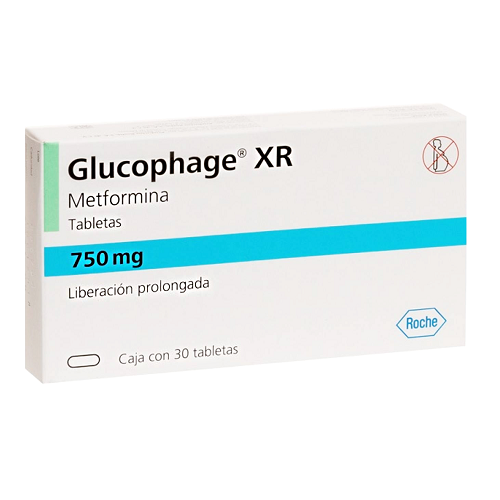
Buy Glucophage Online in the United States – Fast and Easy Purchase
Glucophage helps control blood sugar in Type 2 Diabetes by improving the way your body uses insulin. It's built around metformin, a medication with decades of proven results and a safety profile most doctors trust. Before you start, know this: the benefits of Glucophage often depend on taking it consistently and learning how your own body responds over time.
Starting Glucophage in the United States: What Most Patients Actually Experience
There’s a moment, often in a primary care office, when the word “Glucophage” first appears on your treatment plan. For some, it follows years of “watching the numbers.” For others, it’s the opening move in managing newly diagnosed Type 2 Diabetes. No one arrives at this decision without questions, and almost everyone carries a few outdated assumptions about what’s coming next.
In the United States, Glucophage (the original branded form of metformin) is typically prescribed as a first-line treatment for Type 2 Diabetes. Despite dozens of newer drugs flooding the market, most American physicians still reach for Glucophage when they want safety, predictability, and—if we’re honest—a solid insurance approval. But the real patient journey doesn’t start with the prescription pad. It begins when that first pill meets a real stomach at an inconvenient time.
Clinical tip: Most patients feel best starting Glucophage with food, even if they’re told it “can be taken with or without.” Upset stomach is the #1 reason people give up early.
What you’ll actually experience in the first weeks is rarely what you expect. Blood sugar readings rarely drop overnight. Nausea, a metallic taste, or loose stools might appear—sometimes all at once, sometimes not at all. For some, it’s a non-event; for others, a roadblock. The adjustment isn’t a sign the drug isn’t working. It’s your body learning to use insulin a little differently. For most, these effects fade within a month. For a few, they linger—and that’s where a conversation with your doctor becomes crucial.
Why Do Doctors Still Start with Glucophage? The Evidence and the Patient Reality
Ask three people with Type 2 Diabetes what drugs they’ve taken, and Glucophage (or generic metformin) almost always makes the list. Why does this old standby still dominate first prescriptions, especially in the U.S.?
Over 70% of newly diagnosed Type 2 Diabetes patients in the U.S. are prescribed metformin as their first medication. Source: American Diabetes Association
The answer is partly about the evidence—Glucophage is the most-studied diabetes medication worldwide—but it’s also about what matters for patients: long-term safety, predictable effects, and cost. Clinical guidelines from the American Diabetes Association and the Endocrine Society recommend metformin as first-line therapy for most adults with Type 2 Diabetes, unless there’s a clear reason to do otherwise.[See references]
Long-term safety record: Decades of use mean most rare risks have already surfaced. Newer drugs can’t say the same.
Heart protection (maybe): Some studies suggest metformin may lower cardiovascular risk. The evidence isn’t flawless, but no serious harms have emerged.[See references]
Affordability: In the U.S., generics are widely available, and most insurance plans cover metformin with minimal copay.
Yet, this isn’t just inertia or habit. When doctors choose Glucophage, they’re weighing not just the blood sugar numbers, but how likely you are to tolerate it, stick with it, and avoid complications that land people in the ER. In a landscape full of expensive, heavily marketed alternatives, Glucophage’s value is in what it doesn’t do: it doesn’t drop sugars dangerously low, doesn’t require complex monitoring, and rarely interacts with other medications in ways that surprise.
Metformin Under the Hood: How Glucophage Works for You (and When It Doesn't)
Forget the textbook diagrams for a moment. What matters to most patients is not the chemical structure, but the day-to-day impact. Glucophage (containing metformin) works by making your body’s insulin more effective, mostly in your liver and muscles. It doesn’t “make more insulin”—it helps your body use what you already have.
Insulin Resistance
When your body’s cells don’t respond properly to insulin, causing blood sugar to stay high even if you’re making enough insulin.
For most adults with Type 2 Diabetes, this insulin resistance—not a complete lack of insulin—is the primary problem. By improving your cells’ response to insulin and reducing new sugar output by the liver, metformin brings blood sugars closer to target. It does this without causing weight gain—in fact, some people lose a few pounds—and with a very low risk of hypoglycemia (dangerously low blood sugar) unless combined with other medications.
Glucophage’s strengths: Predictable effect, low risk of dangerous lows, may modestly lower weight, minimal impact on cholesterol or blood pressure.
Its limits: If your pancreas can no longer make enough insulin (as in late-stage Type 2 Diabetes), metformin alone won’t be enough. It also isn’t a substitute for lifestyle changes—diet and movement still matter.
Some patients—especially those with advanced diabetes, significant kidney or liver impairment, or who need quick dramatic reductions in blood sugar—may find Glucophage isn’t the single answer. Here, the medication is often combined with others, or sometimes replaced if side effects persist.
Glucophage vs. Other Diabetes Drugs: When Switching Makes Sense
Sticking with Glucophage is the norm, but what about when it isn’t enough—or isn’t tolerated? Here’s where the real-world choices get complicated. The U.S. market offers everything from daily pills to weekly injectables. Insurance restrictions, side effect profiles, and personal goals all play a part.
Comparing Glucophage (Metformin) to Common Alternatives for Type 2 Diabetes
In practice, many patients start with Glucophage and remain there for years—sometimes adding medications when blood sugars rise, sometimes switching if side effects persist. The main reasons for moving to alternatives: intolerable stomach upset that doesn’t improve, need for stronger weight loss, or a specific cardiovascular or kidney benefit. Cost is a big factor: Glucophage remains cheap, while newer agents can be hundreds of dollars monthly without coverage. For many, the risk-benefit equation tips toward Glucophage unless a clear advantage is found elsewhere.
Getting Glucophage in the U.S.: Access, Costs, and Coverage
Pharmacies in the United States are stocked with metformin in every size, dose, and generic branding imaginable. Glucophage—the original brand—is less commonly dispensed these days, but the medication inside is the same as the generics that dominate pharmacy shelves. For most, it’s a matter of cost and insurance coverage, not clinical difference.
Metformin is a prescription-only medication in the U.S. Over-the-counter sales are not permitted.
Most insurance plans (including Medicare Part D and Medicaid) cover generic metformin with a low or no copay.
Pharmacies routinely substitute generic metformin for Glucophage, unless your doctor specifies otherwise. There is no meaningful clinical difference for most patients.
For uninsured patients, retail prices vary widely—from a few dollars per month at big-box and grocery-store pharmacies to $20–$40 at smaller independents.
Mail-order and online pharmacy options are common, but only legal with a valid prescription written by a licensed U.S. provider.
Access note: If you need Glucophage specifically (not just any metformin), discuss with your provider. Pharmacies may need to special order the brand.
Some patient assistance programs and community health clinics offer metformin at reduced or no cost for those who qualify. However, eligibility and application processes vary by state and organization. Check with your local health department or HRSA Health Center for options.
The Real-World Dosing Journey with Glucophage
If you expect to start Glucophage at a “full dose” right away, you’ll probably be surprised. Most U.S. doctors begin patients on low doses and gradually increase, aiming to limit stomach trouble and give your system time to adjust. The journey from first pill to maintenance dose is rarely linear—missed doses, side effects, and real life all intervene.
Glucophage Dosing: Typical Adult Starting and Maintenance Dosages (U.S.)
Patient Situation
Starting Dose
Titration
Max Daily Dose
Most Adults (immediate-release)
500 mg once daily with food
Increase by 500 mg every 1–2 weeks, as tolerated
2000–2550 mg, divided in 2–3 doses
Most Adults (extended-release)
500 mg once daily with evening meal
Increase by 500 mg every 1–2 weeks
2000 mg once daily
Older adults or those with kidney impairment
500 mg once daily, review kidney function before increasing
Slow titration, monitor labs closely
Varies—may not exceed 1000–1500 mg/day
Clinical experience says this: most patients tolerate 500 mg daily, but not all will comfortably reach the maximum dose. Extended-release tablets can ease stomach upset for many, though not all insurance plans cover this form without additional paperwork. The ideal regimen is the one you can stick with consistently—and your doctor will often revisit your dose every few months, especially as your lifestyle and lab results change.
Which Side Effects Matter Most with Glucophage—and When to Act
Gastrointestinal symptoms—nausea, loose stools, and sometimes a metallic taste—are the main reason patients struggle with Glucophage. Most fade within weeks, but some persist or flare up with dose increases. Knowing which side effects are common and temporary, and which are warning signs, helps you stay on track—and safe.
Common but usually temporary: Nausea, diarrhea, stomach cramps, mild loss of appetite. These often improve as your body adapts.
Uncommon but serious: Lactic acidosis—a rare buildup of acid in the blood—can be life-threatening, but is extremely rare in patients with normal kidney and liver function. Symptoms include rapid breathing, muscle pain, unusual fatigue, and abdominal discomfort. If these occur, stop Glucophage and seek medical attention immediately.
Vitamin B12 deficiency: Long-term metformin users may develop low B12, which can lead to anemia or nerve problems. Yearly screening is recommended, especially if you notice new numbness, tingling, or persistent fatigue.
Glucophage: Side Effects and When to Call Your Doctor
Side Effect
How Common?
When to Contact a Doctor
Nausea, diarrhea, stomach cramps
Very common (20–30%)
If severe, persistent, or causing dehydration
Metallic taste
Occasional (5–10%)
If it prevents eating or does not fade after a few weeks
Vitamin B12 deficiency
Possible with long-term use
If you notice numbness/tingling, unexplained fatigue
Lactic acidosis
Extremely rare (<0.1%)
Immediately, if rapid breathing, muscle pain, confusion, or severe weakness develop
Skin rash or allergic reaction
Rare
Immediately, if swelling, difficulty breathing, or hives occur
Most patients can manage mild side effects with meal timing, slower dose increases, or switching to the extended-release form. But if you’re one of the few who can’t adjust, don’t push through—alternatives exist. For those with new or worrisome symptoms, especially those suggesting lactic acidosis, seek care promptly. Delaying can be dangerous, even if the risk is low.
When Not to Take Glucophage: Absolute and Practical Warnings
Do not take Glucophage if:
Your kidney function is severely impaired (eGFR below 30 mL/min/1.73 m²).
You have acute or chronic metabolic acidosis, including diabetic ketoacidosis.
You're allergic to metformin or any ingredient in Glucophage.
Use with caution or not at all if:
Your kidney function is borderline (eGFR 30–45), unless your doctor specifically approves and monitors you closely.
You’re undergoing imaging studies with injectable contrast dye—Glucophage may need to be paused to reduce the risk of kidney injury.
You have liver disease, severe heart failure, or a history of alcohol abuse—these increase the risk of lactic acidosis.
You’re pregnant or breastfeeding—discuss with your doctor; metformin can sometimes be used in pregnancy but only under specialist guidance.
These warnings are not just theoretical. Ignoring them can turn an effective medication into a dangerous one. Your doctor will check your kidney and liver function with blood tests before and during treatment, especially if your health status changes. Always update your provider if you are hospitalized, start new medications, or develop new health issues—these can change whether Glucophage remains safe for you.
Frequently Asked Questions about Glucophage in Type 2 Diabetes (U.S.)
Does Glucophage work better than generic metformin?
For most patients, there is no clinical difference between Glucophage (brand-name) and generic metformin. Both contain the same active ingredient and are regulated for quality by the FDA. Some individuals believe the brand formulation upsets their stomach less, but studies do not consistently support this. If you notice a difference, discuss it with your doctor.
How long does it take to see results with Glucophage?
Most people begin to see lower blood sugar readings within one to two weeks of starting or adjusting the dose. The full effect may take four to six weeks, especially if the dose is increased gradually. Lifestyle changes, such as diet and exercise, can speed up improvements and enhance results.
Can Glucophage cause low blood sugar?
Glucophage alone very rarely causes dangerously low blood sugar (hypoglycemia). The risk increases if you take insulin or sulfonylureas at the same time. If you experience symptoms like shakiness, sweating, or confusion, talk to your doctor about adjusting your regimen.
What should I do if I miss a dose?
If you miss a dose, take it as soon as you remember unless it’s almost time for the next one. Never double up. Skipping doses occasionally won’t usually cause problems, but regular missed doses can reduce the effectiveness of your diabetes control.
Is Glucophage safe for long-term use?
For most people, Glucophage is safe for years—sometimes decades. However, long-term use can lead to vitamin B12 deficiency, so your doctor may check your levels every year. Regular monitoring of kidney function is also recommended, especially as you age.
Does Glucophage help with weight loss?
Some people lose a few pounds on Glucophage, mainly due to mild appetite reduction and improved blood sugar control. However, it is not a dedicated weight loss medication. Weight loss, if it occurs, is usually modest and varies between individuals.
Can I drink alcohol while taking Glucophage?
Moderate, occasional alcohol is generally safe for people taking Glucophage. However, heavy or binge drinking increases the risk of lactic acidosis and should be avoided. If you have liver problems or a history of alcohol abuse, discuss alcohol use with your doctor before starting Glucophage.