Buy Seroquel in Online Pharmacy in United States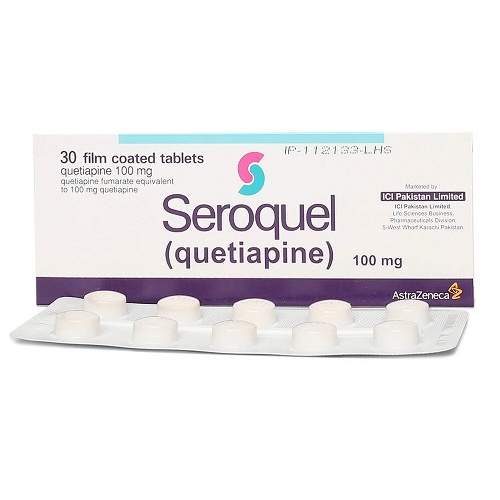
« Buy Stromectol Without Prescription in the United States OnlineBuy Ventolin Inhaler at Low Price in the United States »
- Home/
- Buy Seroquel in Online Pharmacy in United States
This article is for informational purposes only. Medication use is only possible after consultation with a licensed healthcare provider. Self-medication with Seroquel (quetiapine) can be dangerous and should not be attempted under any circumstances.
Can Seroquel Be Obtained Without a Prescription in the United States?
Seroquel (quetiapine) is a prescription-only medicine in the United States. It is illegal and unsafe to purchase or use Seroquel without a valid prescription from a licensed healthcare provider. Self-medication with Seroquel poses serious health risks.
Key Takeaways: What You Need to Know About Seroquel in the U.S.
- Seroquel is a prescription antipsychotic medication, commonly used for conditions like schizophrenia, bipolar disorder, and major depressive disorder when prescribed by a doctor.
- A valid prescription from a licensed U.S. healthcare provider is required to obtain Seroquel from any legal pharmacy.
- Patients typically begin to notice effects within days to weeks, but full therapeutic benefits may take several weeks.
- The medication carries important safety considerations, including risk of sedation, metabolic changes, and rare but severe side effects that require medical monitoring.
- Seroquel is available as both brand and generic (quetiapine) formulations, with generics often being substantially less expensive.
- Discuss any sudden changes in mood, unusual side effects, or concerns promptly with your doctor—never stop Seroquel abruptly without guidance.
How Does Seroquel Work? Mechanism of Action and Pharmacology
Seroquel contains quetiapine, which belongs to the atypical (second-generation) antipsychotic class. It acts by modulating neurotransmitter activity in the brain, primarily affecting:
- Serotonin receptors (5-HT2A antagonism): Reduces psychotic and mood symptoms by blocking serotonin signaling.
- Dopamine receptors (D2 antagonism): Diminishes excessive dopamine activity, which is believed to contribute to psychosis, hallucinations, and some aspects of bipolar mania.
- Histamine (H1) and adrenergic (α1) receptors: Contributes to sedative effects and possible changes in blood pressure.
In simpler terms: Seroquel works by balancing certain brain chemicals that influence mood, perception, and behavior. Imagine the brain like a control panel with many switches. Seroquel helps adjust some of these switches to reduce overwhelming signals that can cause symptoms of mental illness.
Seroquel does not require a specific trigger to become effective; it acts independently after absorption in the body.
Expert Commentary: Misconceptions About What Seroquel Can and Cannot Do
Many of my patients expect Seroquel to deliver rapid, dramatic changes in mood or thinking within days. In reality, while some calming effects can be experienced early, true improvement in symptoms like hallucinations, mania, or depression often takes weeks. It’s also common for people to believe that Seroquel “fixes” the underlying problem, but in most cases, it manages symptoms rather than cures the condition. Patients rarely ask about long-term metabolic effects or how to monitor for side effects, even though these are crucial for safe use. One overlooked issue is that stopping Seroquel suddenly can trigger withdrawal symptoms or a rapid return of underlying illness. Most importantly, Seroquel works best in combination with ongoing mental health support, not in isolation.
What Is the Recommended Dosage of Seroquel, and How Should It Be Taken?
Seroquel dosing is individualized and depends on the diagnosis, patient age, general health, and coexisting conditions. The following general guidelines are based on current U.S. clinical practice and FDA labeling1:
- Bipolar Depression (adults): Start at 50 mg at bedtime, increase to 300 mg by day 4 if tolerated.
- Bipolar Mania (adults): Start at 100 mg/day in divided doses, titrate up to 400 mg by day 4.
- Schizophrenia (adults): Start at 25 mg twice daily, increase gradually to 300–400 mg/day, in 2–3 divided doses.
- Maximum daily dose: Usually 800 mg (never exceed this without explicit physician direction).
For elderly patients or those with liver/kidney impairment: Start at a lower dose and increase more slowly. Dose adjustments are essential due to increased sensitivity to side effects.
Formulations: Seroquel is available in immediate-release and extended-release (XR) tablets. XR tablets are usually taken once daily in the evening. Do not split, crush, or chew extended-release tablets. Immediate-release tablets can be split if scored, but always follow your doctor’s instructions.
Peak plasma concentration: Typically reached within 1.5 hours (immediate-release) or 6 hours (XR formulation). Effects may last up to 12 hours (IR) or 24 hours (XR).
Always follow your physician’s instructions on dosing. Never adjust your Seroquel dose without medical supervision.
How Does Food, Alcohol, and Lifestyle Affect Seroquel Use?
Food: Seroquel’s absorption is minimally affected by food, but taking it with a light meal may reduce stomach upset. For XR tablets, consistent timing with or without food is important for stable absorption.
Alcohol: Strictly avoid alcohol while taking Seroquel. Combining with alcohol increases drowsiness, impairs judgment, and raises the risk of falls, accidents, and overdose.
Grapefruit juice: Do not consume grapefruit or grapefruit juice with Seroquel, as it can inhibit liver enzymes (CYP3A4) that break down quetiapine, causing higher blood levels and increased side effects.
Other lifestyle factors: Seroquel may cause drowsiness. Until you know how it affects you, avoid driving, operating heavy machinery, or engaging in activities that require full alertness.
Compatibility Check: Seroquel and Other Substances
| Substance | Can it be combined? | Potential consequences |
|---|---|---|
| Alcohol | No | Increased sedation, risk of overdose, impaired judgment |
| Grapefruit juice | No | Increased Seroquel levels, higher risk of side effects |
| SSRIs (e.g., fluoxetine) | With caution | Potential for increased side effects, monitor closely |
| Benzodiazepines | With caution | Increased risk of drowsiness, respiratory depression |
| Carbamazepine | No | May lower Seroquel levels, reduce effectiveness |
| Levodopa (for Parkinson’s) | With caution | May reduce effectiveness of levodopa, monitor symptoms |
Who Should Not Take Seroquel? Absolute and Relative Contraindications
Absolute contraindications (never use):
- Known allergy to quetiapine or any excipients in the formulation
- Concomitant use with strong CYP3A4 inhibitors (e.g., ketoconazole, itraconazole, some HIV medications) without dose adjustment
- Concomitant use with CYP3A4 inducers (e.g., carbamazepine, phenytoin) may require dose adjustment or alternative therapy
Relative contraindications (use with extreme caution and only under close medical supervision):
- History of neuroleptic malignant syndrome (a rare, life-threatening reaction to antipsychotics)
- Recent myocardial infarction or unstable heart failure
- Uncontrolled diabetes or high risk of metabolic syndrome
- History of seizures, especially uncontrolled epilepsy
- Severe hepatic impairment (liver dysfunction)
- Prolonged QT interval or arrhythmias on EKG
- Elderly patients with dementia-related psychosis (increased risk of death and stroke; FDA black box warning)
If you have any of these conditions, Seroquel may not be appropriate, or you may require additional monitoring and dose adjustments.
What Are the Most Common and Serious Side Effects of Seroquel?
Seroquel’s side effects are categorized by frequency, based on clinical studies2:
- Very common (>1 in 10): drowsiness, dry mouth, dizziness, constipation, weight gain
- Common (1–10%): increased appetite, orthostatic hypotension (drop in blood pressure when standing), indigestion, elevated cholesterol and triglycerides, increased blood sugar, blurred vision, abnormal liver enzymes, restlessness
- Rare (<1%): severe allergic reactions, seizures, neuroleptic malignant syndrome, blood disorders (e.g., leukopenia, neutropenia), tardive dyskinesia (involuntary movements), priapism (prolonged erection), severe rash (Stevens-Johnson Syndrome)
- Very rare (<0.1%): sudden cardiac death, pancreatitis, muscle breakdown (rhabdomyolysis)
Mechanisms: Sedation is due to histamine receptor blockade. Weight gain and metabolic changes are linked to effects on serotonin and other metabolic pathways. Orthostatic hypotension occurs through α1-adrenergic blockade.
If you develop high fever, muscle stiffness, confusion, abnormal movements, signs of infection, or severe rash—seek immediate medical help.
Action steps if side effects develop:
- Contact your doctor if you experience troubling or persistent side effects.
- For severe symptoms (chest pain, irregular heartbeat, seizures, difficulty breathing), call 911 or emergency services.
- Never stop Seroquel abruptly without medical advice, as sudden withdrawal can worsen symptoms.
Common Pitfalls: Mistakes Patients Make When Taking Seroquel
- Stopping Seroquel suddenly because symptoms improve: This can cause withdrawal symptoms or rapid return of original illness. Always taper under medical supervision.
- Taking Seroquel at inconsistent times: Irregular dosing can reduce effectiveness and increase risk of side effects, particularly drowsiness or blood pressure changes.
- Combining Seroquel with alcohol or sedatives: Leads to enhanced sedation, risk of falls, or dangerous respiratory depression.
- Missing regular health checks: Failing to get blood tests or weight checks can allow serious side effects (e.g., diabetes, cholesterol elevation) to go unnoticed.
- Using Seroquel for off-label purposes (like insomnia) without medical guidance: Increases risk of inappropriate dosing and adverse effects.
- Ignoring signs of high blood sugar or cholesterol: Unmanaged metabolic changes can lead to long-term complications.
To avoid these issues, always follow your doctor’s instructions and attend all recommended follow-up appointments.
How Does Seroquel Compare to Other Antipsychotic Medications?
Below is a structured comparison of Seroquel and its closest alternatives in the United States, based on common clinical criteria3:
| Medication | Usual Starting Dose | Onset of Effect | Duration of Action | Most Common Side Effect | Sample Price (USD/30 tablets, generic) |
|---|---|---|---|---|---|
| Seroquel (quetiapine) | 25–50 mg (up to 800 mg) | Days to weeks | 12–24h (formulation-dependent) | Drowsiness, weight gain | $12–$50 |
| Abilify (aripiprazole) | 2–10 mg (up to 30 mg) | Days to weeks | 24–36h | Restlessness, insomnia | $40–$120 |
| Risperdal (risperidone) | 0.5–2 mg (up to 8 mg) | Days to weeks | 24h | Weight gain, movement disorders | $12–$40 |
Prices are estimates from major U.S. pharmacy chains in 2026 and may vary by region and insurance coverage.
Key Facts About Seroquel: Dosage, Formulations, and Storage
| Parameter | Value |
|---|---|
| Active Ingredient | Quetiapine fumarate |
| Available Dose Strengths | 25 mg, 50 mg, 100 mg, 200 mg, 300 mg, 400 mg (IR and XR) |
| Formulations | Immediate-release (IR) tablets; Extended-release (XR) tablets |
| Usual Administration | Once or twice daily (XR: once daily in evening) |
| Storage | Room temperature (68–77°F), away from moisture and light |
| Prescription Required? | Yes (U.S. federal and state law) |
What Is the Process for Getting Seroquel in the United States?
- Step 1: Schedule a Consultation. Contact a licensed mental health professional (psychiatrist, primary care provider, or psychiatric nurse practitioner) for a comprehensive evaluation. Telehealth options are increasingly available and accepted.
- Step 2: Medical Assessment. The provider will review your symptoms, medical history, current medications, and possible risk factors (such as heart disease or diabetes).
- Step 3: Prescription Issuance. If Seroquel is appropriate, your provider will issue a prescription. This may be transmitted electronically to your chosen pharmacy.
- Step 4: Pharmacy Fulfillment. Fill your prescription at a licensed retail or online pharmacy. Pharmacists may provide additional counseling about dosage and potential side effects.
- Step 5: Ongoing Monitoring. Attend regular follow-up appointments for symptom review and laboratory monitoring (such as blood sugar and lipid panels).
Seroquel should only be obtained through legitimate, licensed healthcare channels in the U.S.
Questions Often Asked by Patients to Their Doctor About Seroquel
- How long will it take before I start feeling better on Seroquel?
- For most patients, calming or sedative effects may be noticeable within hours to days. Improvement in mood, thinking, or hallucinations may take several weeks. Consistency and patience are essential—do not increase the dose or stop the medication early if you don’t feel immediate changes.
- How will you monitor my progress and side effects while I’m on Seroquel?
- I will schedule periodic office visits and order laboratory tests to monitor blood sugar, cholesterol, and weight. I’ll also ask about sleep, energy, and side effects at each visit.
- Can I take my other medications, like antidepressants or blood pressure meds, with Seroquel?
- Most medications can be used with Seroquel, but some require close monitoring or dose adjustments. Always let me know about all your current medicines and supplements so we can check for interactions.
- What should I do if I accidentally miss a dose?
- If it’s only been a few hours, take the missed dose as soon as you remember. If it’s almost time for your next dose, skip the missed dose and continue your regular schedule. Never double up, and let me know if missed doses become frequent.
- Will Seroquel cause weight gain or diabetes?
- Seroquel can increase appetite and may cause weight gain in some people. There’s also a risk of elevated blood sugar or cholesterol. We’ll monitor these closely and discuss strategies to minimize risk, including diet and exercise.
- Is it safe to become pregnant or breastfeed while taking Seroquel?
- Pregnancy and breastfeeding require a careful risk-benefit discussion. Seroquel may be continued in some cases, but we will discuss alternatives and monitor closely if you plan to become pregnant.
- What happens if I want to stop Seroquel?
- Never stop Seroquel suddenly on your own. Tapering is usually needed to avoid withdrawal symptoms or relapse. Talk to me first about any decision to discontinue or change your medication.
Myth vs Reality: Common Beliefs About Seroquel
- Myth: Seroquel works instantly for all symptoms.
Reality: Many effects, especially on mood and thought, require days to weeks to develop. - Myth: Seroquel is a “sleeping pill” and safe for occasional insomnia.
Reality: Off-label use for sleep can cause serious side effects and is not recommended without close medical supervision. - Myth: Generics are less effective than the brand-name Seroquel.
Reality: FDA-approved generics contain the same active ingredient and must demonstrate equivalent efficacy and safety.
How Is Seroquel Metabolized and Eliminated? Pharmacokinetics Explained Simply
Absorption: Seroquel is well absorbed from the digestive tract, reaching maximum blood levels in 1.5 hours (IR) or 6 hours (XR).
Metabolism: The drug is extensively metabolized in the liver by the CYP3A4 enzyme system. This makes it susceptible to interactions with medications or foods (like grapefruit) that affect these enzymes.
Elimination: Seroquel’s metabolites are eliminated primarily through the urine (73%) and, to a lesser extent, feces (20%). Less than 1% of unchanged drug is excreted in the urine.
Half-life: The elimination half-life is approximately 6 hours (IR) or 7 hours (XR), but clinical effects can last much longer depending on formulation and individual metabolism.
Implications: People with liver impairment may need lower doses or slower titration because the drug stays in the body longer.
Special Considerations for Specific Patient Populations
- Elderly (age 65+): Increased sensitivity to side effects. Start at lower doses, monitor closely for dizziness, sedation, and confusion.
- Children and adolescents: Use only under specialist supervision. Some formulations and indications are not approved for pediatric use in the U.S.
- Patients with diabetes, metabolic syndrome, or heart disease: Seroquel can worsen blood sugar or cholesterol, and may increase cardiac risk. Regular laboratory monitoring is essential.
- Pregnancy & breastfeeding: Seroquel crosses the placenta and is excreted in breast milk. Risk-benefit assessment and close monitoring are required.
- Driving and machinery use: Seroquel may cause significant drowsiness or dizziness. Do not drive or operate heavy machinery until you know your individual response and are cleared by your doctor.
- Fertility: No evidence suggests Seroquel impairs fertility, but hormonal changes are possible. Seek guidance if you are planning a family.
Original vs Generic Seroquel: What’s the Difference? Are Generics Safe?
Original Seroquel (by AstraZeneca): Available in both brand and generic forms in the U.S. since patent expiration. Both contain quetiapine fumarate as the active ingredient.
- Generics: Must meet FDA standards for bioequivalence, ingredient purity, and stability. They may have different inactive ingredients (excipients), which in rare cases can cause allergic reactions or intolerance.
- Cost: Generics are typically much less expensive than brand-name Seroquel, often with the same clinical effectiveness.
- Appearance: Generics may look different (color, shape, marking) but will be labeled with the manufacturer’s name, strength, and “quetiapine fumarate.”
Bottom line: Most patients do equally well on generic quetiapine as long as the product is obtained from a licensed pharmacy.
How to Identify Counterfeit Seroquel and Ensure Quality in the United States
- Packaging: Original Seroquel comes in blister packs or bottles with clear labeling, batch number, expiration date, and manufacturer’s logo (AstraZeneca for brand; various for generics).
- Tablet appearance: Consistent color (white to off-white), uniform shape, scored if intended to be split, and correct imprint code (varies by strength and manufacturer).
- Security features: Many U.S. manufacturers include QR codes, barcodes, or holographic stickers for verification. Always check these codes and verify via the pharmacy or manufacturer website when in doubt.
- Price: Unusually low prices are a red flag for counterfeits or unapproved imports.
If the packaging is missing information, tablets appear discolored or crumbly, or you cannot verify the manufacturer, do not use the medication and report to the FDA’s MedWatch program (fda.gov).
Generics vs. Counterfeits: Generics are FDA-approved and safe when dispensed by a licensed pharmacy. Counterfeits are unregulated, may contain incorrect or harmful substances, and pose serious risks.
Quality Check: How to Verify Your Seroquel in the U.S.
- Check for intact, unbroken packaging with batch and expiration details.
- Look for FDA-required labeling: “quetiapine fumarate,” strength, manufacturer, and National Drug Code (NDC).
- Compare tablet appearance with images from official sources or your pharmacy.
- Use pharmacy or manufacturer QR codes for online verification if provided.
- If uncertain, ask your pharmacist for verification before use.
How to Find a Legitimate Online Pharmacy for Seroquel in the United States
- Only use online pharmacies that are licensed in your state and display verification seals (e.g., VIPPS accreditation from the National Association of Boards of Pharmacy).
- Legitimate pharmacies require a valid prescription and provide pharmacist counseling.
- Suspicious sites offering Seroquel “without prescription,” with deep discounts, or from international sources may supply counterfeit or unsafe products.
- Confirm the pharmacy’s license at your state Board of Pharmacy website (nabp.pharmacy).
- Never share personal health or payment information with unverified websites.
What Should I Do If I Take Too Much Seroquel? Overdose Protocol
- Stop taking Seroquel immediately.
- Call 911 or emergency services without delay.
- Inform the medical team of the exact quantity and timing of Seroquel taken.
- Bring the medication bottle/pack to the emergency department if possible.
- Do not attempt to induce vomiting or self-treat. Overdose symptoms can include severe drowsiness, rapid heart rate, low blood pressure, seizures, or respiratory depression.
Prompt medical attention can be life-saving.
What If Seroquel Does Not Work for Me?
If you do not notice improvement after several weeks, or if symptoms worsen, contact your doctor promptly. Reasons for inadequate response may include:
- Incorrect diagnosis or unrecognized coexisting conditions
- Inadequate dosage or poor absorption
- Non-adherence to the prescribed regimen
- Drug interactions decreasing effectiveness
Your doctor may adjust the dose, try alternative medications, or recommend additional therapies (such as psychotherapy or psychosocial support).
Psychological Support: You Are Not Alone
If you struggle with a mental health condition, remember that you are not alone—millions of Americans live with similar challenges. Mental illness is common, highly treatable, and nothing to be ashamed of. Talk openly with your treatment team, and consider sharing your concerns with supportive friends, loved ones, or a counselor.
Clinical Assessment by doctor: Who Is Most Likely to Benefit from Seroquel?
In my clinical practice, Seroquel is most valuable for patients experiencing acute psychosis, severe bipolar episodes (mania or depression), or those with persistent mood disturbances who have not responded to first-line therapies. It’s often my choice for individuals who need both antipsychotic and mood-stabilizing effects, especially if sedation is therapeutically desirable. However, Seroquel is less ideal for patients with significant metabolic risk (obesity, diabetes, high cholesterol) or cardiac concerns, unless the benefits clearly outweigh potential harms. Elderly patients, especially those with dementia-related psychosis, require special caution due to increased mortality risk. For those with histories of medication nonadherence or substance misuse, long-acting alternatives or more intensive monitoring may be preferable. Ultimately, Seroquel’s place in therapy depends on a careful, individualized weighing of risks and benefits, and I regularly reassess whether it remains the best option for my patients as their needs evolve.
Frequently Asked Questions (FAQ) About Seroquel in the United States
- Is Seroquel effective for anxiety or insomnia?
- Seroquel is not FDA-approved for generalized anxiety or primary insomnia. Off-label use for these conditions is controversial, carries risks, and should only occur under close psychiatric supervision.
- How much does Seroquel cost in the U.S.?
- Generic quetiapine typically costs $12–$50 for a 30-day supply, depending on dose and pharmacy. Brand-name Seroquel may cost $300–$500. Insurance coverage and pharmacy discount programs can significantly reduce out-of-pocket costs.
- Is it safe to buy Seroquel online?
- Only buy Seroquel from a licensed U.S. pharmacy that requires a valid prescription. Unregulated online sources may sell counterfeit or unsafe products. Always verify the pharmacy through your state’s Board of Pharmacy or nabp.pharmacy.
- What should I do if I forget to take my Seroquel?
- If you miss a dose, take it as soon as you remember unless it’s almost time for your next dose. Do not double up. Contact your doctor if you frequently miss doses.
- Can Seroquel interact with my other medicines?
- Yes. Seroquel can interact with various medications, especially those that affect liver enzymes, sedatives, and certain antibiotics or antifungals. Always disclose all medications to your doctor.
- How long do I need to take Seroquel?
- Duration depends on your diagnosis and response. Some patients require long-term treatment, while others may taper off after stabilization. Never stop Seroquel without consulting your doctor.
- Will Seroquel affect my ability to drive or work?
- Seroquel may cause drowsiness or dizziness, especially when starting or increasing the dose. Avoid driving or operating machinery until you know your response and your doctor confirms it’s safe.
- Can I use Seroquel during pregnancy or breastfeeding?
- Seroquel’s safety in pregnancy and lactation is not fully established. Use only under a psychiatrist’s strict guidance, weighing the risks and benefits for both mother and baby.
- Are there alternatives to Seroquel if I can’t tolerate it?
- Yes. Other antipsychotics and mood stabilizers are available. Your provider will suggest alternatives based on your specific diagnosis and side effect profile.
References
- FDA. SEROQUEL (quetiapine fumarate) tablets [prescribing information], 2024. FDA.gov
- Mayo Clinic. Quetiapine (Oral Route) Side Effects, 2025. mayoclinic.org
- PubMed. Comparative efficacy and safety of atypical antipsychotic drugs in schizophrenia: a systematic review and network meta-analysis, 2024. pubmed.ncbi.nlm.nih.gov
- National Association of Boards of Pharmacy: Safe.pharmacy Verification. nabp.pharmacy
- FDA MedWatch Program. fda.gov
Recent News

TruBank, Indianola – a TRULY great project
March 28, 2023

WCF Bank in Tama Coming Soon!
February 28, 2023

Steelcase Health – Designing Safe & Welcoming Behavioral Health Spaces
February 28, 2023


